

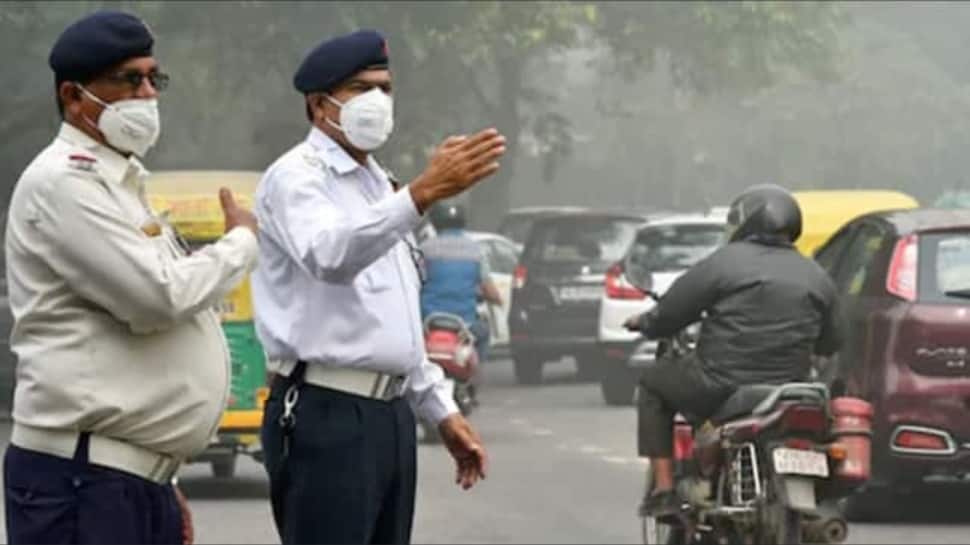
A severe air pollution emergency has been declared in the Delhi-NCR as the Air Quality Index (AQI) soars past the 600 mark in multiple locations. The toxic smog engulfing areas like Noida, Gurugram, and Faridabad has forced the activation of GRAP Stage 4, the apex level of pollution control measures. This signifies the most critical phase of the Graded Response Action Plan (GRAP), implemented by the Commission for Air Quality Management (CAQM).
Under GRAP Stage 4, a comprehensive set of restrictions, cumulative with those from earlier stages, is now in full force. Vehicle entry into Delhi is severely restricted; only trucks transporting essential commodities or running on alternative clean fuels like CNG, LNG, BS-VI diesel, or electric power are permitted. Construction activities at all government and public project sites have been suspended, adding to the ban on other non-essential construction activities from Stage 3. Commercial vehicles from outside Delhi are prohibited from entering unless they are CNG or BS-VI diesel compliant. Furthermore, a 50% work-from-home directive has been issued for public and private sector employees to reduce traffic volume and associated emissions.
The GRAP framework is a strategic, multi-stage plan to combat escalating air pollution. Stage 1 focuses on preventing issues under ‘Moderate to Poor’ AQI. Stage 2 imposes stricter rules for ‘Very Poor’ air, including generator bans. Stage 3, activated at ‘Severe’ AQI (401+), halts specific vehicle types and non-essential construction. The current Stage 4 is the response to ‘Severe Plus’ AQI (450+), introducing the most drastic measures. Citizens are strongly advised to minimize outdoor exposure, use N95 masks, and follow all health guidelines, as the extremely poor air quality poses significant health hazards.