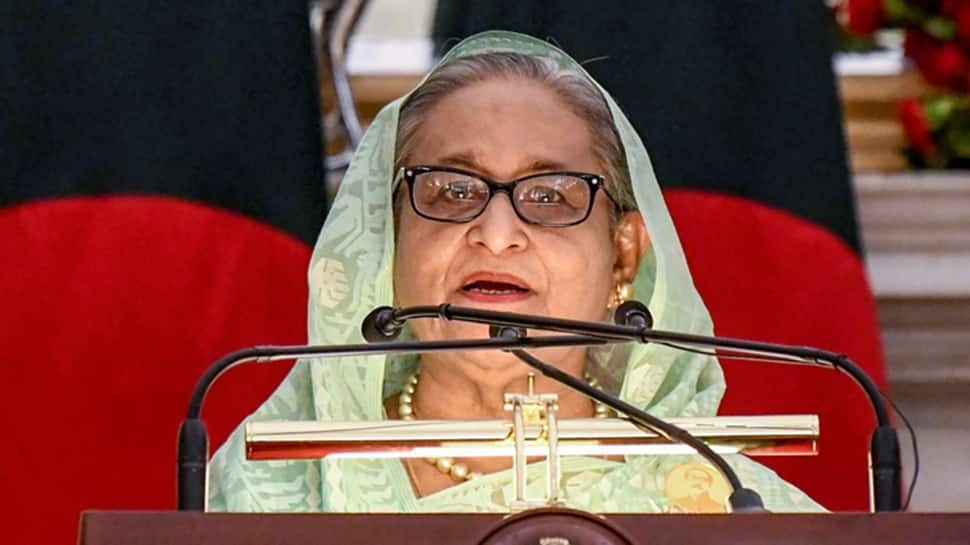
In a dramatic turn of events, former Bangladeshi Prime Minister Sheikh Hasina has been sentenced to death by a local court for crimes against humanity. Hasina has been living in self-imposed exile in New Delhi since August 2024, fleeing a widespread student-led protest movement. Bangladesh’s interim government has formally sought her extradition from India, but as of mid-2025, no decision has been made. Sources indicate potential reluctance from Indian officials, citing concerns about sending a detrimental international signal. Despite Dhaka’s legal and diplomatic pressure, Hasina’s stay in India continues, with reports of an extended visa, described as purely administrative. The convictions follow a series of escalating legal actions. In July 2025, she received a six-month jail term for contempt of court related to a leaked audio recording. Earlier, in June 2025, the International Crimes Tribunal indicted her on five counts of crimes against humanity, including incitement and conspiracy, culminating in the November 17, 2025, death sentence handed down in absentia. Speaking from Delhi, Hasina expressed willingness to return to Bangladesh, but only if genuine democratic elections are conducted. She asserts her current living situation in the Indian capital is within acceptable parameters. Adding to her legal troubles, a second arrest warrant has been issued concerning alleged enforced disappearances during her 15-year rule. The political climate remains tense, with Bangladesh seeking better ties with India while the extradition request is pending. Within Bangladesh, 2025 has seen significant unrest, including protests against Hasina and the arrest of thousands in ‘Operation Devil Hunt’. Hasina’s primary recourse now involves appealing the conviction in Bangladesh’s Supreme Court, a move that comes as Dhaka intensifies its pursuit of her return.