

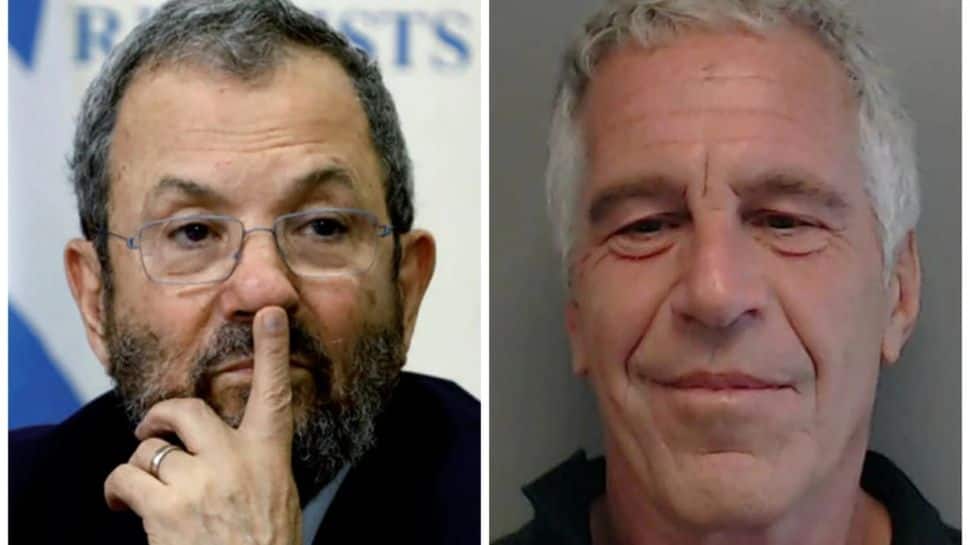
A complex network orchestrated by financier Jeffrey Epstein and former Israeli leader Ehud Barak played a pivotal role in expanding Israel’s security influence into West Africa, particularly Cote d’Ivoire, following its 2010 election crisis. Documents suggest that the duo exploited the country’s political instability to secure lucrative security contracts and establish strategic access.
While the world watched the violent aftermath of Cote d’Ivoire’s disputed 2010 presidential election, Epstein and Barak allegedly worked behind the scenes to cultivate opportunities. Emails indicate Epstein saw the nation’s turmoil as an ideal moment for Barak to offer his security expertise. Following a coup attempt in 2012, President Alassane Ouattara met with Barak and Prime Minister Benjamin Netanyahu in Jerusalem to discuss counterterrorism, a meeting that led to an Israeli security assessment of the Ivorian army.
By 2013, having left his governmental post, Barak was actively pursuing security deals abroad, with Epstein serving as a quiet but essential facilitator. Evidence suggests Epstein helped circulate intelligence plans drafted by ex-Israeli intelligence officers for monitoring communications in Cote d’Ivoire. This private initiative eventually laid the groundwork for an official Israeli-Ivorian security accord signed in 2014.
Epstein’s connections were instrumental in arranging crucial introductions. On the same day Barak met President Ouattara in 2012, Ouattara’s son met with Epstein in New York. Later, Epstein met with Ouattara’s niece before convening with Barak at a hotel. Epstein’s travel plans included visits to Cote d’Ivoire, Angola, and Senegal, signaling broader regional ambitions.
Despite Barak stating his association with Epstein was personal, documents point to Epstein acting as a key intermediary. Even after Barak resigned from public office in March 2013, he remained deeply involved. Communications, including detailed plans for Abidjan’s surveillance systems, were exchanged, sometimes using coded language to evade detection.
Discussions were temporarily paused by a UN report concerning Israeli munitions. During this interlude, Barak reached out to key Israeli security figures and Ivorian officials, including President Ouattara’s chief of staff. Barak’s subsequent visit to Abidjan, publicly presented as a humanitarian endeavor, included private meetings with the Ivorian president and senior government members.
In September 2013, a former head of Israeli military intelligence provided Barak with a comprehensive plan for an intelligence gathering system in Cote d’Ivoire, highlighting its basis in Israeli operational experience and its potential for knowledge export. Epstein’s network in New York further facilitated discussions and follow-up meetings.
The formal defense and internal security agreement between Israel and Cote d’Ivoire was finalized in mid-2014 after UN embargoes were lifted. The ongoing revelations also detail how Yoni Koren, a former Israeli intelligence officer associated with Barak, utilized Epstein’s residence, acting as a conduit for intelligence exchanges.