

A pivotal shift in Bangladesh’s governance structure has been initiated with President Mohammed Shahabuddin’s issuance of the July National Charter (Constitution Reform) Implementation Order, 2025. This order introduces a bicameral parliament and overhauls how constitutional reforms are handled, notably eliminating the provision for automatic amendment enactment upon inaction by the Constitutional Reform Council.
Under the new framework, the upcoming parliament will undertake a dual responsibility. Upon referendum approval, it will act as both the primary legislature and the specialized Constitutional Reform Council. This council is tasked with completing and enacting constitutional amendments within a 180-day period starting from its first meeting.
The reform order also paves the way for a bicameral parliament. The newly proposed Upper House of the Jatiya Sangsad will be constituted through a proportional representation model. This system ensures that political parties gain representation in the Upper House commensurate with the votes they secured during national parliamentary elections.
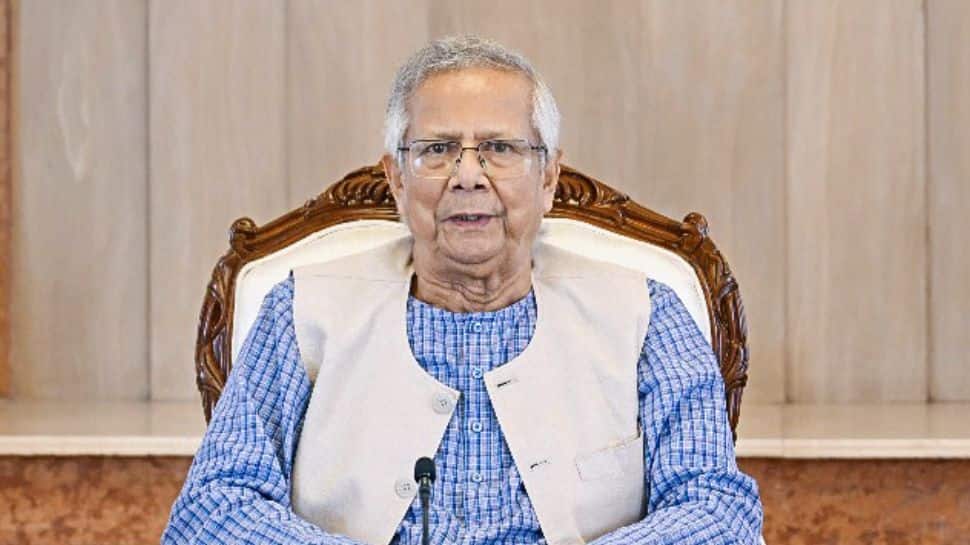
Speaking on the new structure, Chief Adviser Professor Muhammad Yunus explained the composition and function of the Upper House. It will comprise 100 members, selected proportionally based on election results. He emphasized that significant legislative power resides in this chamber, as all constitutional amendments will require a majority vote from its members. Professor Yunus further outlined that once elected, the council members will have 180 working days for reforms, after which the Upper House will be formed within 30 days and serve until the Lower House concludes its term.