

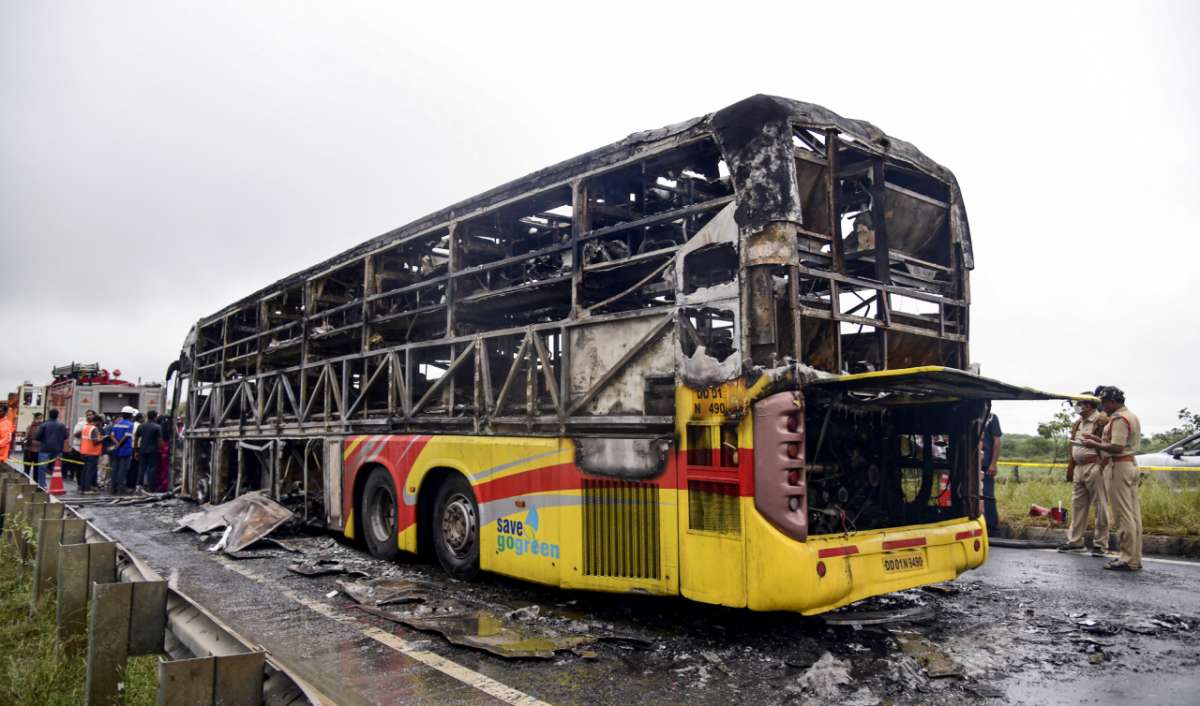
India is grappling with a severe road safety crisis following a spate of fatal incidents involving sleeper buses, with 46 lives lost in a single week. Catastrophic fires and collisions in states like Rajasthan, Andhra Pradesh, and Telangana have highlighted systemic failures in the country’s bus transport network. These long-distance sleeper buses, a popular mode of travel, are increasingly becoming a significant safety hazard.
The alarming pattern includes a bus fire near Jaisalmer that killed 26 people, and a subsequent tragic crash in Andhra Pradesh involving a sleeper bus and a motorcycle, which claimed 20 lives. These events are not isolated; they point to deep-seated issues within the industry.
According to road safety experts, the problem stems from a concerning collusion between bus operators, body builders, and regional transport offices (RTOs). Chassis are procured from original equipment manufacturers (OEMs), but the body construction is often handled by third-party builders who may not adhere to critical Automotive Industry Standards (AIS) such as AIS 052 and 119. This lack of oversight permits dangerous modifications.
Consequences of poor compliance are dire. Buses are frequently modified to include more seats than permitted, blocking vital emergency exits. The absence of fire extinguishers is common, and the materials used for construction are often highly flammable, including aluminum wood composites. Internal compartment designs are also problematic, with non-collapsible cages and curtains that are not flame-retardant, leading to rapid engulfment in fire within minutes.
Some builders, allegedly in league with RTOs, even install additional fuel tanks, violating OEM safety norms. While electric buses manufactured entirely by OEMs generally meet safety compliance, traditional sleeper buses face a far more precarious situation. Efforts are underway to identify and address the deadliest routes and districts to prevent future catastrophes.