

A groundbreaking advancement in nuclear energy is emerging from China, where scientists have successfully demonstrated thorium-to-uranium conversion in a molten salt reactor. This achievement resurrects a promising energy source that the United States explored decades ago before shifting focus.
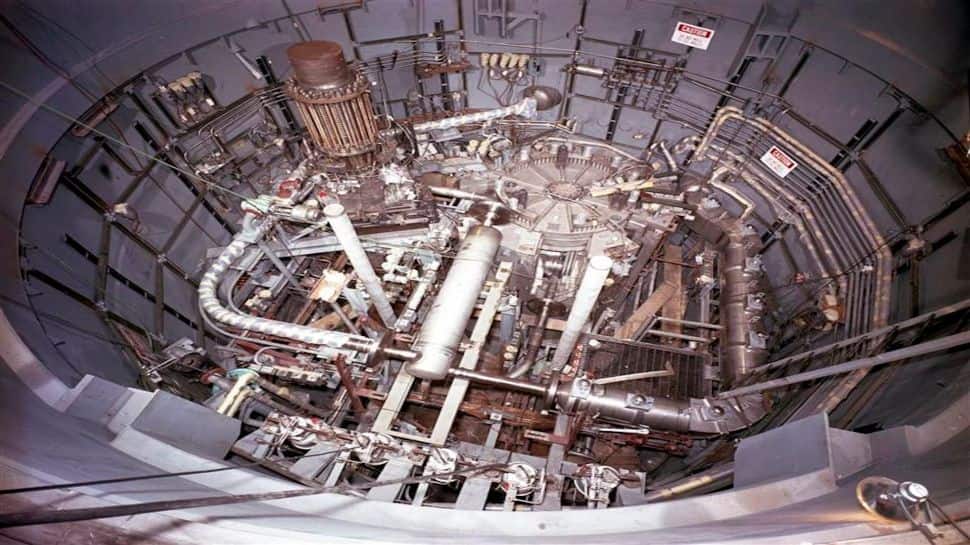
The Shanghai Institute of Applied Physics’ two-megawatt Thorium Molten Salt Reactor (TMSR) has confirmed the technical viability of thorium as a stable nuclear fuel. This technology harks back to the 1960s, when American researchers experimented with molten salt reactors but ultimately discontinued their work in favor of uranium-based systems, influenced by the geopolitical climate of the Cold War.
According to project leaders, China has effectively taken the baton, meticulously studying publicly available US research to perfect the technology. This effort has propelled China into a leadership position in thorium energy, a field that has seen little development for fifty years. Plans are already in motion for a larger, 10-megawatt reactor designed for commercial power generation.
Unlike conventional nuclear reactors that require substantial water for cooling, the TMSR operates dry, making it exceptionally well-suited for water-scarce regions like China’s arid expanses, where energy needs are growing. Thorium presents a compelling alternative to uranium, which is not only scarce and toxic but also associated with challenging and environmentally damaging mining practices. The World Nuclear Association notes that thorium reactors produce significantly less long-lived radioactive waste, offering a cleaner pathway to nuclear power. This innovation represents a major step towards China’s goal of energy independence and sustainable development.