

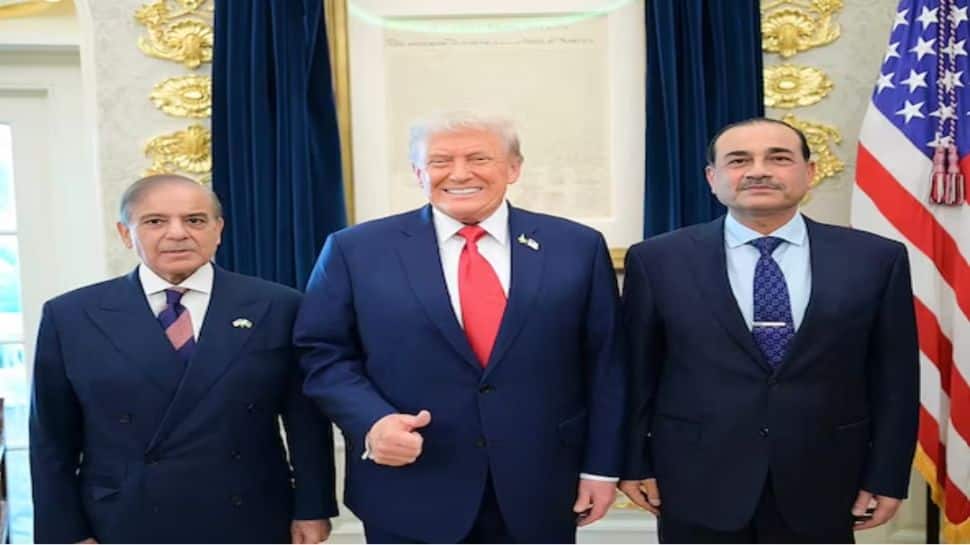
After a period of relative diplomatic obscurity, Pakistan is making a noticeable comeback on the international stage. For approximately three years after Imran Khan’s removal from power, Islamabad found itself largely excluded from key Western capitals, facing significant international isolation. However, in the last ten months, under the apparent direction of Army Chief General Asim Munir and a supportive civilian government, the country has embarked on a mission to mend its global ties.
The strategy involves a nuanced approach, including positive remarks about former US President Donald Trump and a strengthening of relations with Saudi Arabia, alongside efforts to re-establish trade links with Western nations. A recent meeting between Pakistan’s Commerce Minister and an EU delegation in Brussels focused on bolstering the partnership under the EU’s GSP+ program, a scheme that has significantly benefited Pakistan’s exports.
Beyond Europe, Islamabad is actively seeking to revitalize trade with Canada and other Western countries, aiming to reverse a years-long trade freeze. In Washington, signs of thawing relations are emerging, with Donald Trump publicly commending General Munir and characterizing Pakistan as a nation committed to peace. Trump has also claimed a role in de-escalating potential conflict between India and Pakistan, averting a ‘nuclear scare.’
This period is marked by the potential for a new ‘package deal’ with the United States, reportedly encompassing US access to military installations, cooperation on cryptocurrency regulation, joint ventures in critical mineral exploration, and investments in Pakistan’s offshore energy sector. For Pakistan’s military establishment, such agreements could provide a much-needed political boost and economic stimulus. Recent efforts to award offshore oil blocks to international companies, including a Turkish firm, demonstrate a push to develop these resources, though significant technical challenges and the low historical success rate in deep-sea exploration persist.
Concurrently, Pakistan is forging closer ties with Saudi Arabia. A recent state visit by Prime Minister Shehbaz Sharif culminated in the signing of an Economic Cooperation Framework, outlining collaborative projects across vital sectors. Furthermore, a defense pact signed in September established a mutual defense clause, reinforcing Pakistan’s image as a steadfast ally within the Muslim world and a potential destination for Saudi investment to stabilize its economy.
While this diplomatic resurgence is underway, some observers suggest it is more reactive than strategic, driven by immediate economic pressures and a desire to project a strong image domestically, particularly in relation to India. The consideration of sending troops to Gaza further exemplifies this outreach to the Muslim world. However, experts opine that this flurry of activity is intrinsically linked to Pakistan’s internal challenges, with the military potentially leveraging peace initiatives to consolidate its position. The international community, it is argued, may view these efforts as opportunistic rather than indicative of a stable, dependable partnership.