

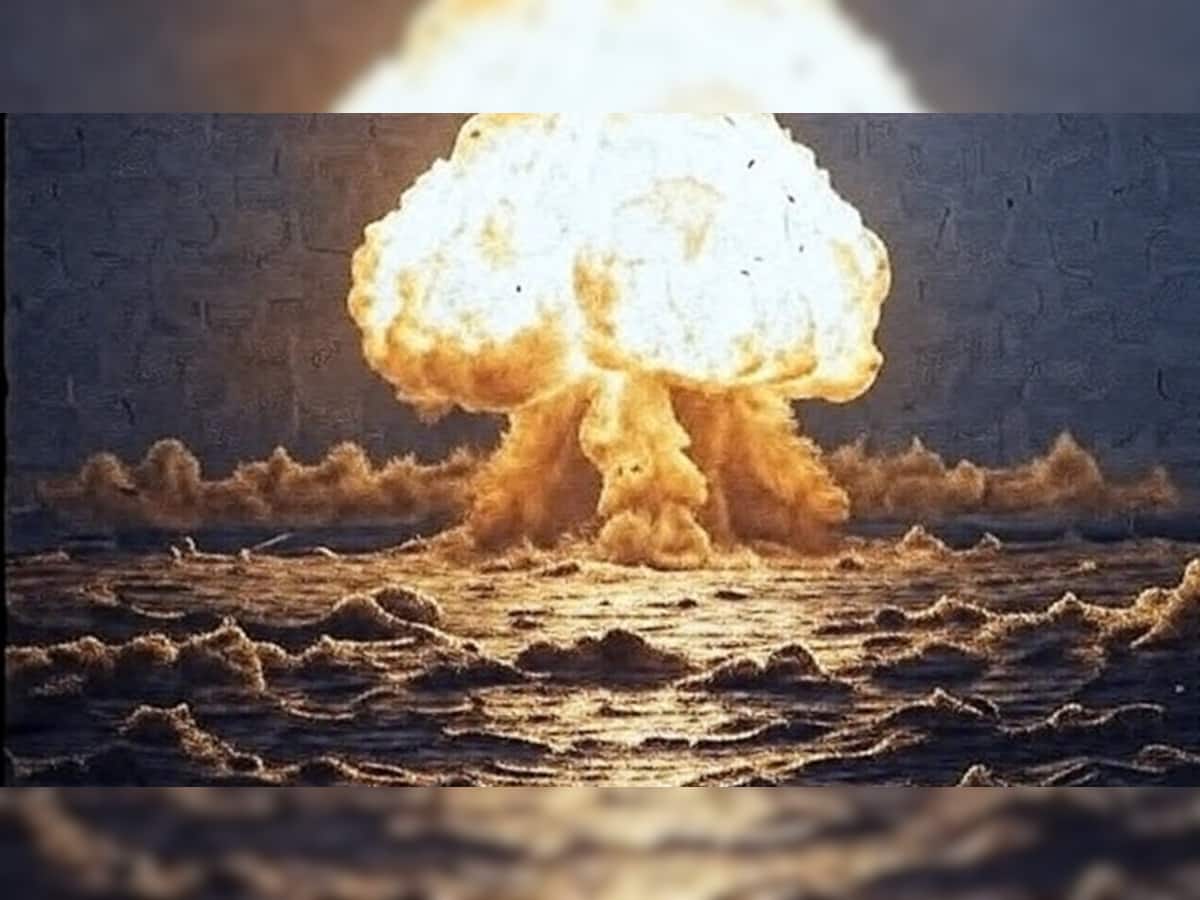
Recent global geopolitical shifts have reignited discussions within India about its nuclear testing policy. With U.S. and Russian nuclear activities under scrutiny and alleged Pakistani tests, the strategic environment in South Asia is becoming more volatile. This has led some Indian defense analysts to question the wisdom of India’s long-standing self-imposed ban on nuclear explosions.
Since conducting the Pokhran-II tests in 1998, which included a claimed hydrogen bomb detonation, India has adhered to a policy of ‘credible minimum deterrence’ and a no-first-use doctrine. However, the escalating nuclear ambitions and capabilities of global powers, particularly China’s rapidly expanding arsenal and advanced missile technology, are forcing a re-examination of this strategy. Experts suggest that if the U.S. were to resume testing, India should consider a similar step to affirm its technological prowess and ensure its deterrent remains credible against potential adversaries.
India’s estimated nuclear stockpile of 180 warheads is in close proximity to Pakistan’s 170, while China’s arsenal is considerably larger and projected to grow significantly. The deployment of advanced Chinese missiles capable of multiple warhead delivery adds another layer of complexity to India’s defense calculations. While breaking the testing moratorium could invite international backlash, the argument for validating India’s thermonuclear capabilities and adapting to a dynamic geopolitical landscape is gaining traction among some strategic thinkers.