

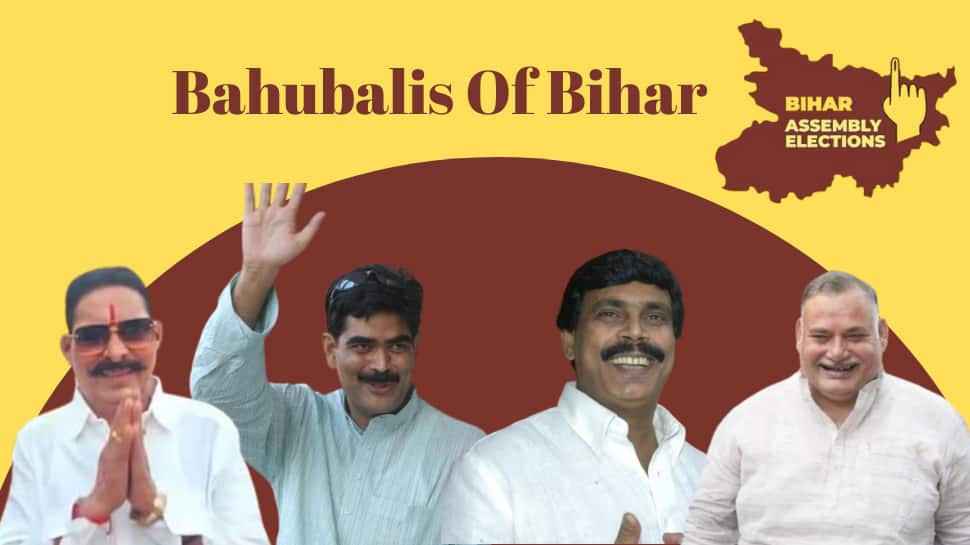
As Bihar hurtles towards its 2025 elections, the deep-rooted influence of ‘bahubalis’ (strongmen) remains a defining feature of its political arena. For decades, the state’s intricate caste matrix has facilitated the rise of these figures, who often secure victories by mobilizing their caste base. The political landscape was irrevocably altered by figures like Mohammad Shahabuddin, whose 1990 win as an independent candidate set a precedent for the integration of muscle power and patronage into electoral politics.
These powerful individuals often command significant sway in their constituencies, frequently eclipsing party affiliations. They are more than just candidates; they are architects of political mobilization, commanding loyalty and shaping local governance. With the election cycle approaching, these bahubalis are once again making their presence felt, their engagement with parties and voters marked by a fluid, mutually beneficial, yet inherently unstable relationship.
This pragmatic, yet precarious, alliance between political establishments and strongmen has become a staple of Bihar’s elections. The convenience of this arrangement, rather than a deep commitment, sustains it, ensuring its recurrence election after election.
The current election cycle sees a substantial number of candidates with criminal backgrounds contesting across the state, facing grave charges. The RJD has fielded the largest contingent of such candidates, with JDU and BJP also relying on figures with past controversies. Prominent seats like Mokama and Siwan are once again battlegrounds for strongman politics.
Detailed analysis of candidate backgrounds reveals a concerning trend of increased criminalization in politics. Notable figures continue to maintain their grip, often through family members stepping into the political fray when direct participation is hindered. The legacy of figures like Anand Mohan and the political maneuverings of Anant Singh highlight the persistent power of these strongmen.
This dynamic, often described as a ‘situationship,’ reflects a political ecosystem where parties seek electoral advantage, strongmen seek legitimacy, and voters seek representation and protection, creating a cycle that seems unlikely to break.