

Estonia has reportedly taken a firm stance against Russian aerial incursions by shooting down a drone that violated its airspace near the border with Russia around October 17. This incident, occurring in the vicinity of Camp Reedo, is viewed as a significant and rare act of defiance by a NATO member state situated on the alliance’s eastern edge. It has amplified concerns and strategic discussions surrounding NATO’s response protocols and red lines in the face of Russia’s continued aggression in Ukraine.
According to preliminary accounts, Estonian forces detected two drones operating near the military installation. One drone was successfully intercepted and downed by allied defenses, while the other managed to evade capture and return to Russian territory. Although official statements have been cautious, defense experts believe the downed aircraft was likely a Russian reconnaissance drone, intentionally testing NATO’s preparedness and border security measures.
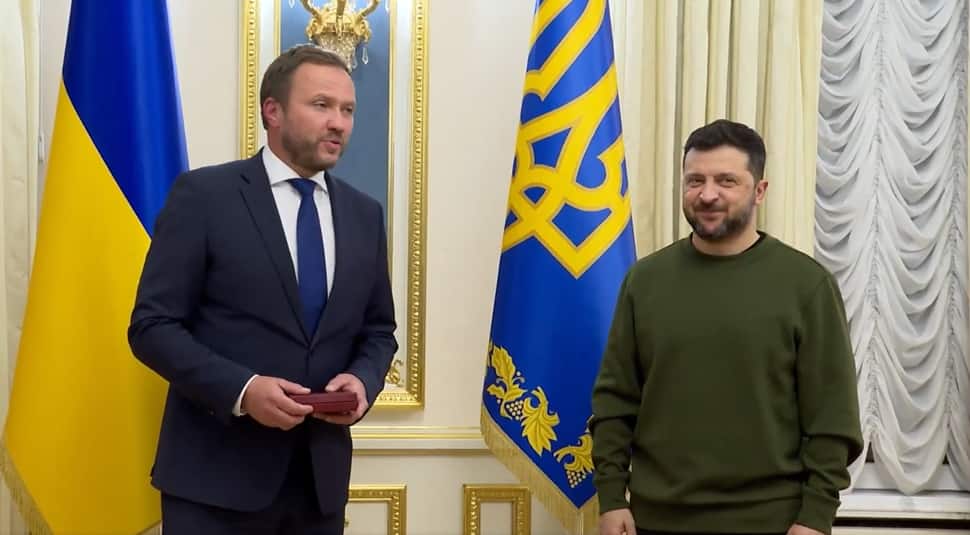
The incident’s proximity to a high-level meeting between Ukrainian President Volodymyr Zelenskyy and Estonian Foreign Minister Margus Tsahkna, held on October 27, has drawn considerable attention. Their discussions focused on deepening defense collaboration, including advancements in long-range weapons, drone development, and comprehensive support for Ukraine. President Zelenskyy expressed profound gratitude for Estonia’s steadfast solidarity since the war’s outset, acknowledging its support for Ukraine’s EU aspirations and its vital role within the Joint Expeditionary Force framework.
Estonia’s consistent and substantial aid to Ukraine, representing a significant percentage of its GDP, highlights its deep commitment. The nation has also championed stricter European Union sanctions and the acceleration of joint drone manufacturing initiatives. The alleged drone shootdown now serves as a powerful testament to Estonia’s resolve in protecting its sovereign airspace and, by extension, reinforcing NATO’s collective security. This action could presage a more assertive posture from the alliance, challenging the prevailing strategy of de-escalation in response to Russian provocations.
The clear implication for Moscow is that frontline NATO states are prepared to defend their borders robustly. As Estonia gears up to chair the Nordic-Baltic Eight in 2026, its proactive defense strategy may influence Europe’s unified response to evolving Russian hybrid warfare tactics.