

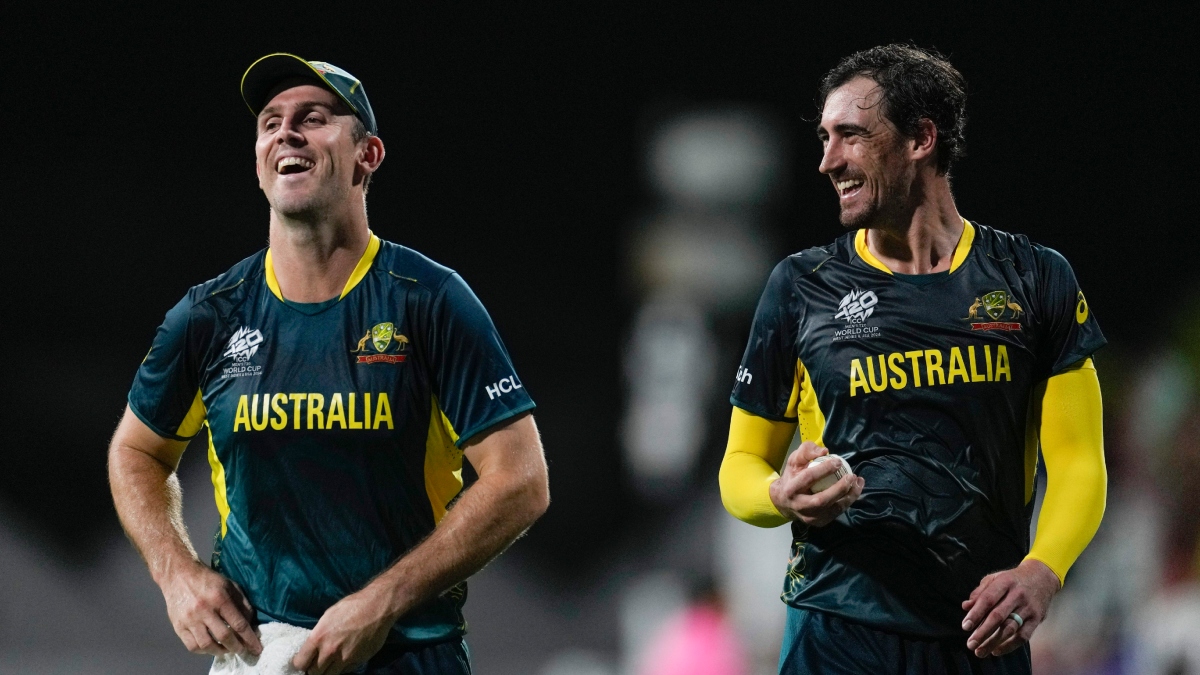
The departure of Mitchell Starc from T20 internationals presents Australia’s bowling unit with a critical juncture, especially with challenging series against powerhouses like India on the horizon. The void left by the iconic quick necessitates a strategic rethink as the 2026 T20 World Cup approaches.
The ‘Big Three’ – Starc, Josh Hazlewood, and Pat Cummins – have long been the backbone of Australian pace bowling. Starc’s retirement from the shortest format marks the end of an era, leaving a significant gap to fill.
Starc retired as Australia’s premier T20I fast bowler with an impressive 79 wickets from 65 games. He ranks second in overall T20I wickets for Australia, behind only Adam Zampa’s remarkable tally.
His reputation as a big-game player is undeniable, with Starc boasting an almost perfect record in major finals, winning multiple T20 and ODI World Cups, IPL titles, and more. His unique ability to perform under pressure will be sorely missed.
The search for Starc’s replacement has encountered a setback with speedster Spencer Johnson’s injury. Johnson, known for his blistering left-arm pace similar to Starc’s, is sidelined with a back stress fracture. This injury will keep him out of action until at least the Big Bash League later this year, disrupting Australia’s squad planning.
Amidst these challenges, Nathan Ellis has stepped up as a reliable performer. In 27 T20Is, Ellis has claimed 41 wickets at a commendable average of 18.8 and an economy of 7.84, demonstrating his effectiveness against top opposition. Australia will rely on Ellis, Hazlewood, and the eventual return of Cummins to form a formidable pace attack. Other options like Ben Dwarshuis, Sean Abbott, and Xavier Bartlett will also be crucial as the team adapts to life without their star quick.