

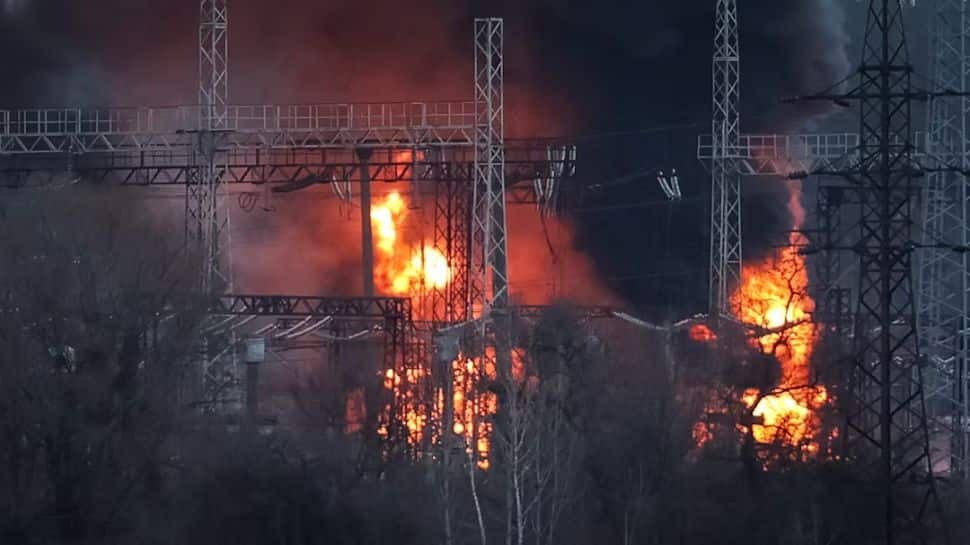
Russia is intensifying its assault on Ukraine’s energy sector with a new, more sophisticated approach to aerial attacks. This strategy prioritizes coordinated strikes using advanced drones and missiles against critical infrastructure, including power plants, electricity grids, heating facilities, and natural gas resources. The primary goal is to degrade Ukraine’s capacity to provide electricity and heat as the winter season looms.
Recent large-scale attacks have involved hundreds of modified drones and dozens of missiles launched in concert. These drones are now designed for higher speeds and altitudes, with sharp diving capabilities that pose a significant challenge to interception. Likewise, missile guidance systems have been updated for erratic flight patterns, effectively bypassing sophisticated Western air defenses, including the Patriot system. This enhanced capability is reflected in a notable drop in interception success rates, plummeting from 37% in August to just 6% in September.
Targets are strategically chosen for maximum impact, with repeated strikes on energy facilities like power stations and natural gas delivery points. Analysts suggest Russia aims to create regional energy shortages, leaving Ukrainian citizens vulnerable during the cold winter months. This represents a clear escalation from earlier attack methods, which were less coordinated and more susceptible to Ukrainian defensive measures. The current combination of faster, more evasive drones, unpredictable missile flight, and precise targeting significantly boosts the success rate of Russian strikes.
Russian forces are reportedly refining the timing and coordination of these attacks. The October 10 strike on a crucial Kyiv power station serves as a stark illustration of this evolving operational model, featuring a massive, multi-city assault using hundreds of drones and missiles. The objective extends beyond immediate damage; analysts indicate a deliberate effort to overwhelm and prolong the repair process, ensuring sustained weakness in energy and gas infrastructure throughout the winter. This advanced campaign, marked by technological improvements and strategic targeting, signifies the most developed phase of Russia’s pressure on Ukraine’s energy systems.