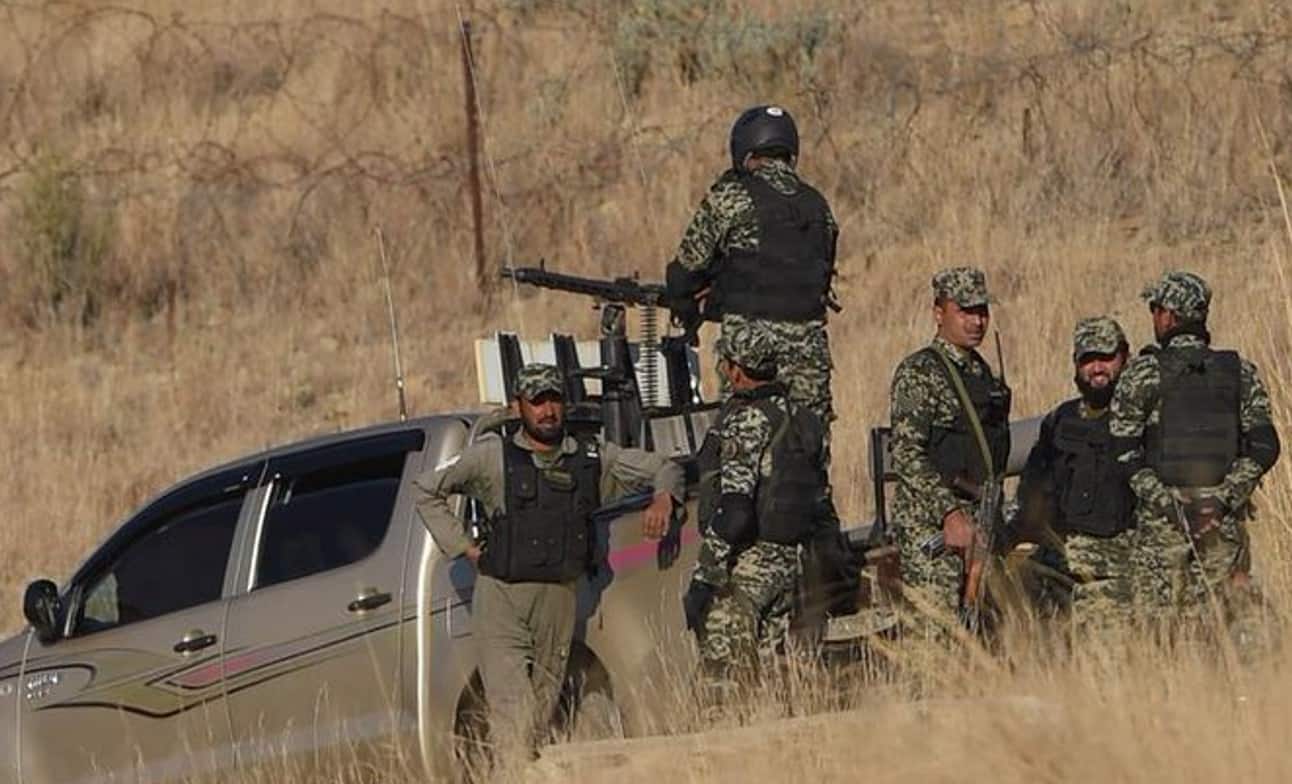
A fragile 48-hour ceasefire between Pakistan and Afghanistan collapsed Friday evening when Pakistan launched fresh airstrikes into Afghan territory. The bombings specifically targeted residential areas within Paktika province, reigniting tensions that both neighbors had pledged to pause just two days prior. According to media accounts, Pakistani military planes conducted raids in the Argun and Barmal districts, striking civilian neighborhoods. Afghan Taliban officials confirmed the assaults, characterizing them as a violation of the agreed-upon truce. The strikes came as the ceasefire neared its scheduled expiration, dampening expectations that the brief lull might pave the way for broader diplomatic engagement to address the root causes of their conflict. The 48-hour ceasefire, initiated Wednesday evening, followed a week of severe border clashes that claimed dozens of lives, affecting both military and civilian populations. Hopes for a potential extension of the truce, which had surfaced earlier on Friday, quickly vanished with the renewed Pakistani aerial incursions. The current cycle of escalation was triggered by Pakistani airstrikes in Kabul on October 9, 2025, aimed at a Tehreek-i-Taliban Pakistan (TTP) leader following TTP-led attacks on Pakistani troops. This prompted retaliatory measures from Afghan Taliban forces, escalating border skirmishes into serious confrontations. The enduring conflict is deeply intertwined with disagreements over the Durand Line and the sanctuary provided to militants who engage in cross-border attacks, fostering persistent animosity.
Afghanistan-Pakistan Border Violence Flares as Airstrikes Resume
 By The Chhattisgarh2 Mins Read