

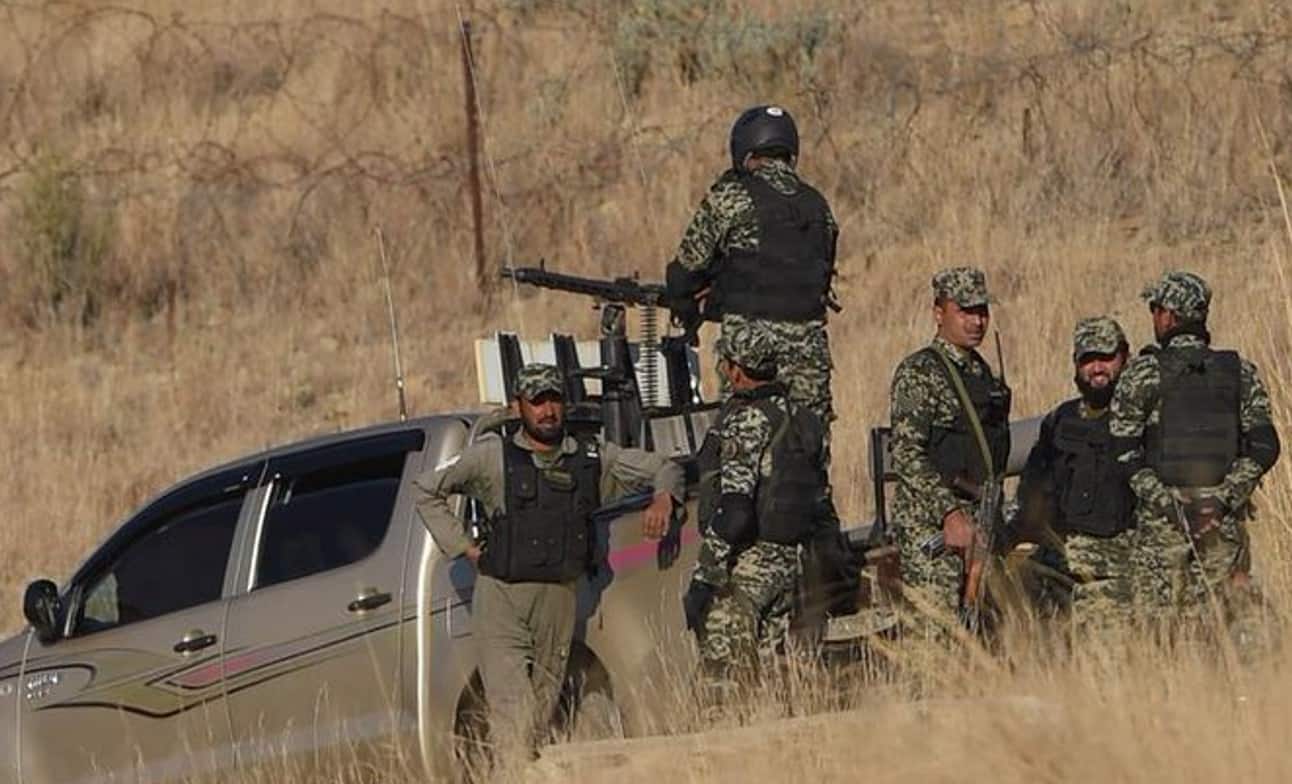
A fragile two-day ceasefire between Pakistan and Afghanistan has been decisively broken following fresh Pakistani airstrikes on the Paktika province. The aerial bombardment targeted residential neighborhoods in the Argun and Barmal districts late Friday evening, violating the truce agreed upon just 48 hours prior. Taliban authorities confirmed the airstrikes, with reports highlighting that Islamabad’s actions ended the temporary cessation of hostilities.
The collapse of the ceasefire, occurring shortly before its scheduled Friday evening expiration, has dimmed prospects for any meaningful de-escalation or diplomatic engagement aimed at resolving the deep-seated border conflicts. The short-lived 48-hour truce commenced on Wednesday, intended to provide a respite from nearly a week of violent border clashes that claimed many lives, including non-combatants.
Earlier on Friday, there was speculation about extending the ceasefire, which had sparked a glimmer of hope for a move towards peaceful resolution. This optimism quickly dissipated as Pakistani military aircraft conducted operations within Afghan territory. The current wave of escalation began after Pakistan’s airstrikes in Kabul on October 9, 2025, which were a response to TTP attacks on Pakistani soldiers. This led to counter-actions by the Afghan Taliban, turning border disputes into deadly confrontations. The ongoing friction is largely attributed to disagreements over the Durand Line and the issue of cross-border militancy, with both nations trading accusations of harboring militants and violating sovereignty.