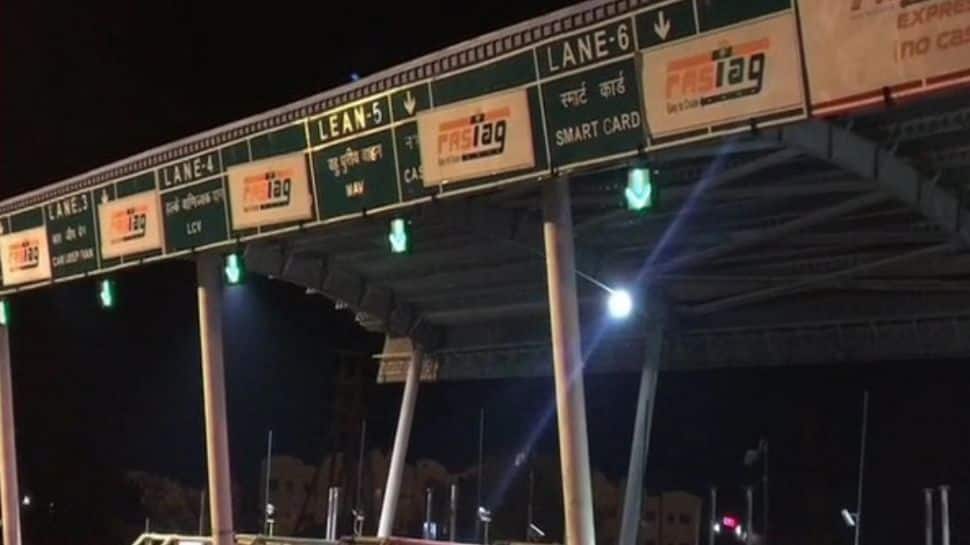
A planned satellite toll system in India is now on indefinite hold, as national security and privacy concerns have taken precedence. Sources indicate a strong preference for an all-Indian solution over relying on international navigation networks such as GPS, GLONASS, Galileo, or BeiDou. The postponement is linked to revelations from Operation Sindoor, which brought to light potential security gaps in vehicle tracking technologies. Project insiders confirm the satellite toll initiative is merely delayed, not canceled, with a clear directive to use only India’s own satellite navigation capabilities. The current domestic system, NavIC, requires further development to support a nationwide toll collection infrastructure. A key challenge involves ensuring that real-time vehicle location tracking via satellite does not infringe upon citizens’ privacy, a growing concern for national security. Concurrently, research continues on a barrier-free tolling system designed for efficiency and safety. Initial testing on the Delhi-Jaipur highway provided valuable insights into necessary security and privacy safeguards. Meanwhile, the National Highways Authority of India is proceeding with barrier-free, free-flow toll systems, with the initial tender awarded for a site in Gujarat. This will enable non-stop toll collection, enhancing traffic efficiency and revenue. These advancements are viewed as foundational for the eventual satellite toll system once NavIC is fully operational, signaling India’s strategic push for technological independence and robust data security.