

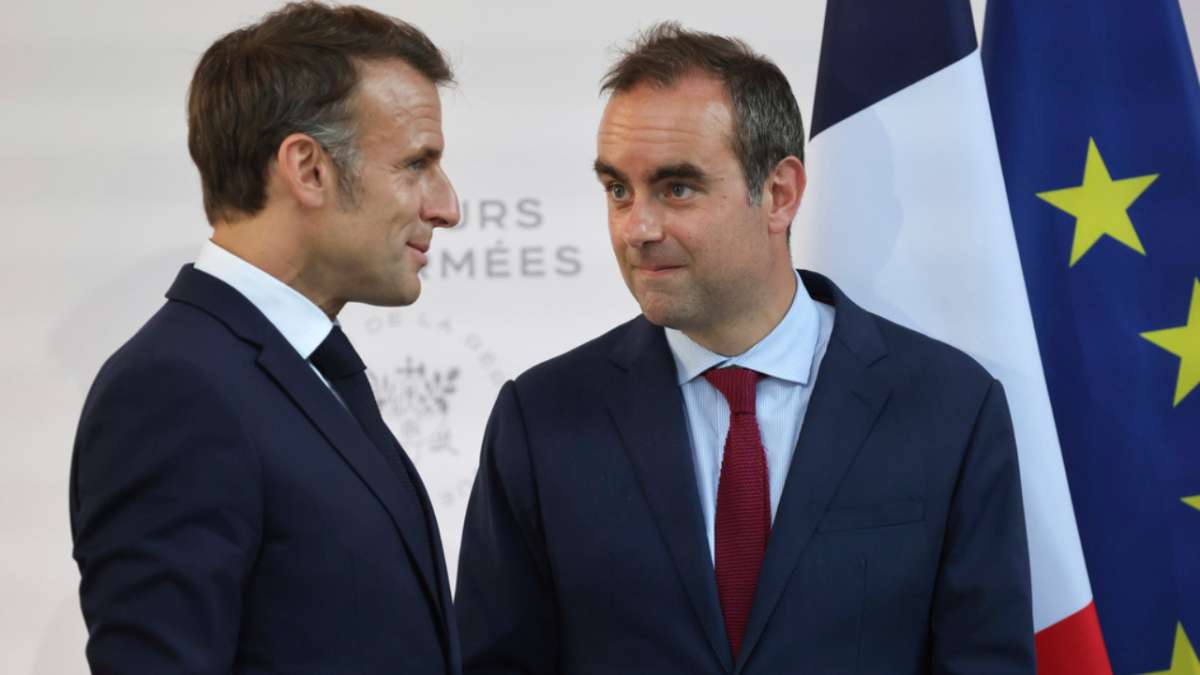
Emmanuel Macron, the President of France, has once again appointed Sebastien Lecornu as Prime Minister, a move designed to navigate the country out of a persistent political deadlock. This decision comes mere days after Lecornu’s resignation amidst internal government discord. The reappointment signals a critical effort by Macron to salvage his second term, which extends to 2027, and to tackle severe economic issues, including escalating public debt.
Following several days of tense discussions, Lecornu’s return to the premiership aims to restore stability. His previous cabinet collapsed shortly after its formation due to disputes within the ruling coalition. Macron, facing a deficit of a parliamentary majority and growing internal dissent, finds himself with few avenues to advance his agenda. The presidential palace officially confirmed Lecornu’s reappointment, a swift turnaround from his recent departure.
In a public statement, Lecornu underscored his commitment to public service, highlighting his dual mandate: ensuring the passage of the national budget by year-end and addressing the immediate needs of French citizens. He stressed that aspiring presidential candidates in 2027 would not be eligible for his new cabinet, prioritizing a government characterized by “renewal and a diversity of expertise.” Lecornu’s primary objective is to conclude the “political crisis that frustrates the French and undermines our country’s image and interests.”
The political instability intensified when Lecornu resigned on Monday, provoking demands for Macron’s resignation or a new general election. Macron, however, opted for continuity by re-appointing Lecornu. Leaders from various political parties expressed lingering doubts after meeting with Macron, concerned that a prime minister from his weakened centrist party might fail to gain approval in the National Assembly, thus prolonging the governmental paralysis. France’s economic woes are substantial, with public debt exceeding 114% of GDP and the poverty rate climbing to a record high of 15.4% in 2023.