

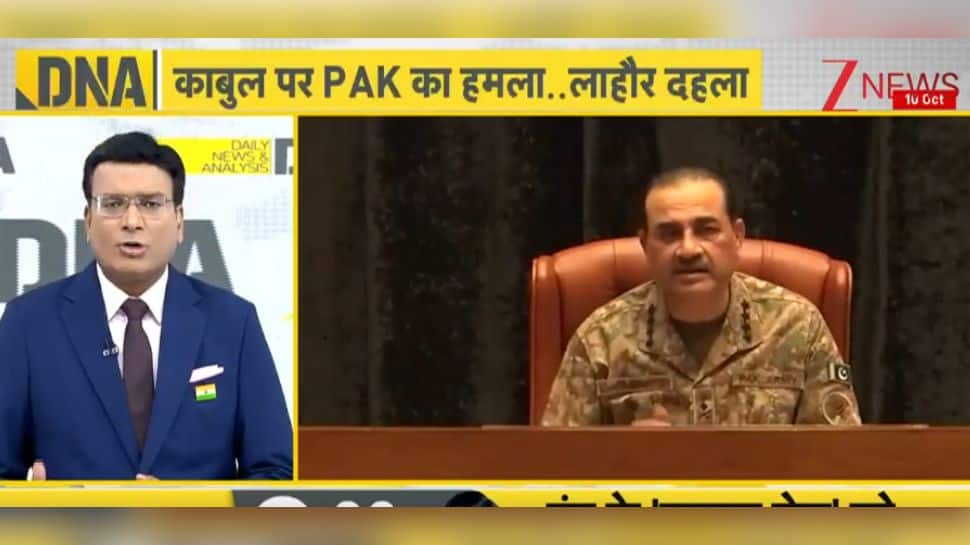
A significant escalation in South Asia’s security landscape occurred as Pakistan’s armed forces, led by Army Chief General Asim Munir, conducted airstrikes in proximity to Kabul, Afghanistan. The Pakistani government stated the operation aimed to neutralize Tehrik-e-Taliban Pakistan (TTP) commander Noor Wali Mehsud, whom they hold responsible for a recent lethal attack on Pakistani troops in Orakzai. This bold move, however, has ignited regional apprehension and raised serious questions about its strategic wisdom.
Almost immediately, a purported audio message from Noor Wali Mehsud emerged from the TTP, contradicting official reports and claiming he remains alive. This casts a shadow of doubt over the intelligence and execution of the Pakistani operation.
The Afghan Taliban government has responded with strong disapproval, condemning the strikes as a breach of Afghan sovereignty. They issued a firm warning, stating Pakistan would face repercussions for any civilian harm inflicted during the unprovoked aerial assault.
This tense situation unfolds while Afghanistan’s Foreign Minister Amir Khan Muttaqi is on an official visit to India, meeting with Indian External Affairs Minister S. Jaishankar. During these talks, India reaffirmed its dedication to Afghanistan’s stability and security and announced its intention to fully reopen its embassy in Kabul, underscoring a renewed diplomatic engagement.
Internally, Pakistan is contending with significant domestic challenges. The government has resorted to suspending internet access in Islamabad and Rawalpindi. This action is in response to widespread protests by the Tehreek-e-Labbaik Pakistan (TLP), a radical group that attempted to mobilize towards the U.S. Embassy over the Gaza crisis, resulting in clashes with law enforcement.