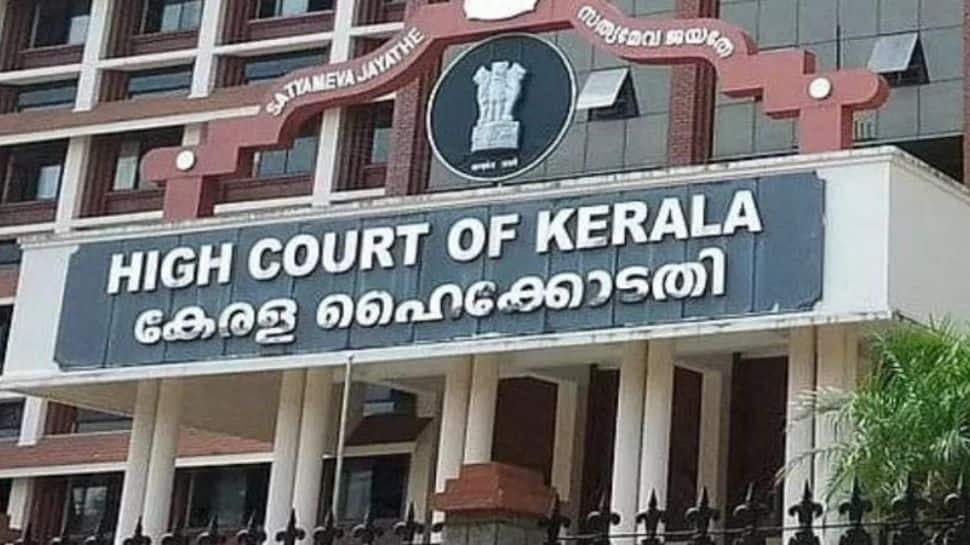
In a significant development, the Kerala High Court has paved the way for a state-led investigation into the complex Munambam Waqf land dispute. The court observed that the petitioners challenging the inquiry commission appeared to represent “certain other interested parties with ulterior purposes.” A two-judge bench allowed state government appeals, reversing a lower court’s decision to quash the commission’s appointment. This commission aims to resolve disputes between hundreds of residents and the Waqf Board concerning land transactions. Residents have cited difficulties with land tax payments and mutation processes, claiming their land was originally purchased from Farook College. The historical context involves a 1950 land gift to Farook College, which was later designated as waqf property by the Kerala Waqf Board. This reclassification led to the invalidation of prior sales, causing discontent among residents. The state government established the inquiry commission, chaired by retired Justice C.N. Ramachandran Nair, to find a permanent solution for rightful occupants and subsequent purchasers. The High Court pointed out that the petitioners, including Kerala Waqf Samrakshana Vedhi, did not establish how they were directly affected, questioning their failure to pursue a public interest litigation. The court highlighted that these rights were being established since 2019 without objection. It was noted that Farook College management consistently stated the 1950 deed was a gift, not a waqf deed. The bench concluded that the petitioners were likely acting in the interest of undisclosed third parties aiming to acquire the property from Farook Management. The Waqf Board’s non-contestation of the commission’s legality was also noted. The High Court’s ruling enables the inquiry commission to proceed, potentially bringing an end to the Munambam dispute.
Munambam Waqf Case: Kerala HC Approves Probe, Suspects Hidden Agendas
 By The Chhattisgarh2 Mins Read