

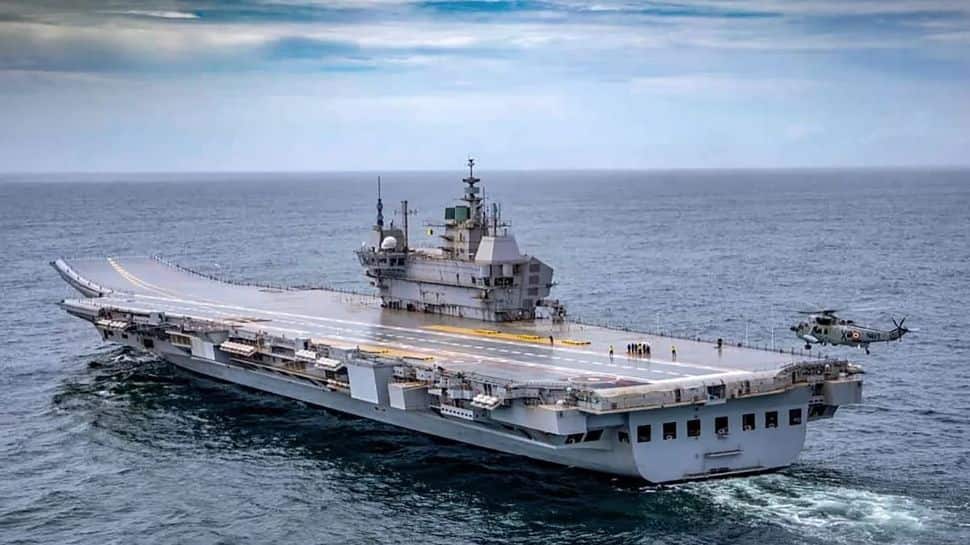
A new Notice to Mariners (NOTMAR) issued by Pakistan’s Navy has ignited significant regional speculation, particularly concerning its relationship with India. This maritime alert comes hot on the heels of strong advisories from India’s Defence Minister Rajnath Singh and Army Chief General Upendra Dwivedi, cautioning Pakistan against any aggressive actions near the Sir Creek area. Experts in Islamabad interpret this naval notice as a potential precursor to larger operations in the Arabian Sea.
A commentator noted that the NOTMAR might be related to a ‘major naval exercise.’ Such notices are standard practice to warn maritime traffic about potential firing or missile tests. The significance lies in the timing, with Pakistan now issuing such alerts, mirroring a practice India has often employed before its own sea or air exercises. This indicates substantial activity is likely planned within Pakistan’s maritime domain.
Sources suggest that the Pakistani Navy has markedly increased its operational tempo recently. Typically, these alerts precede extensive ship movements, firing drills, and missile tests. The NOTMAR serves as a clear directive, ensuring no confusion arises from these planned maneuvers.
The heightened tension is further amplified by Pakistan’s recent test of the Fateh-4 missile. This surface-to-surface weapon, with an estimated reach of 750 kilometers, is seen as a deliberate display of evolving capabilities aimed at India. The Fateh-4 significantly extends Pakistan’s strike range, building upon earlier tests of its Fateh-1 and Fateh-2 predecessors.
Despite these advancements, analysts point out that Pakistan’s missile program still faces challenges in matching India’s advanced defense technologies, such as the S-400 air defense systems and Rafale fighter jets. The current naval buildup is also being viewed through the lens of Pakistan potentially defending its key coastal assets, including Karachi, against perceived Indian threats.
Pakistan seems to be focusing on safeguarding its vital economic arteries and energy export routes. Remarks made by India’s defense minister about the potential use of naval forces and the strategic access via Sir Creek to Karachi have evidently resonated within Pakistan’s strategic planning. India has issued a firm warning, asserting its readiness to defend its territory.
Discussions within Pakistani defense circles are reportedly exploring scenarios involving strikes on India’s economic infrastructure. Recent statements from Pakistan’s military have hinted at a potential strategic pivot towards targeting ‘east or economic centers.’ This includes theoretical war games focused on disrupting refineries and export terminals, crucial facilities involved in global energy flows, including those handling Russian oil.
Defense analysts in India are closely observing these unfolding events. While the NOTMAR is officially downplayed as a ‘routine exercise,’ the combination of a recent missile test, assertive public posturing, and increased naval activity raises concerns about potential miscalculation. The Indian Navy is on high alert but is expected to maintain strategic discretion with its most valuable assets.
Currently, no official confirmation exists regarding imminent live missile firings. However, the convergence of a missile demonstration, strong official rhetoric, and observable naval movements has cultivated an atmosphere of apprehension in the Arabian Sea. Both nations are engaged in strategic signaling, and the outcome of this ongoing ‘test of nerves’ between two nuclear-armed states remains uncertain.