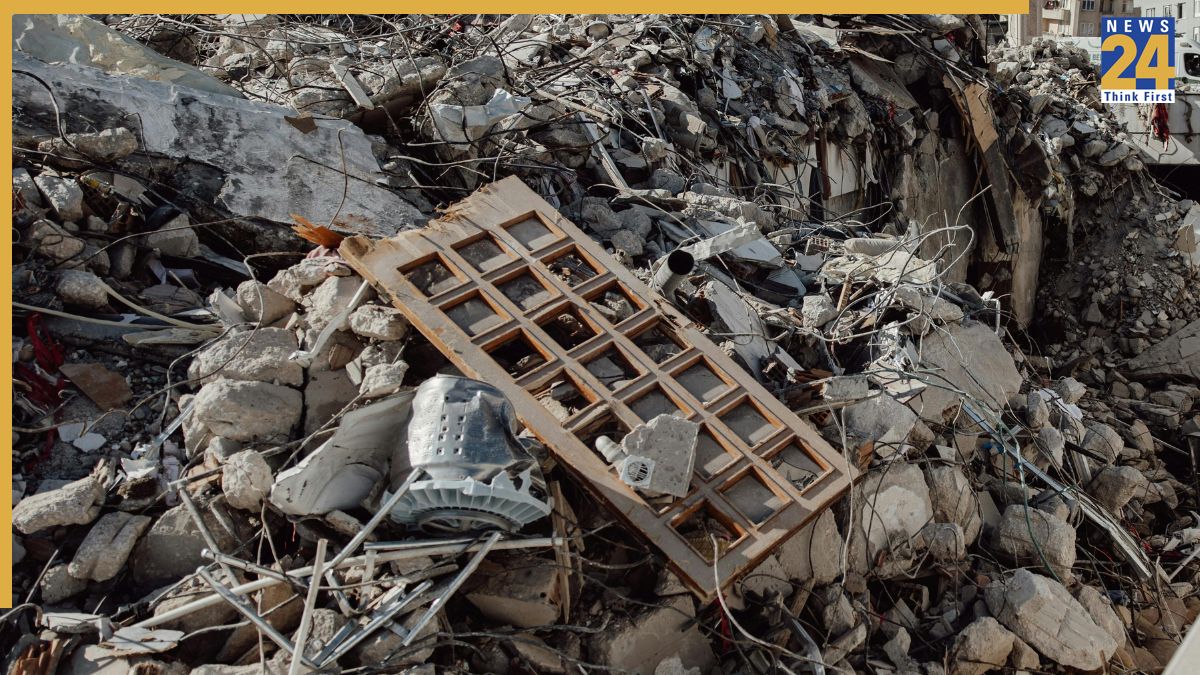
A strong 6.9 magnitude earthquake rocked the central Philippines on Tuesday, resulting in at least 22 confirmed fatalities and numerous injuries among the population. The quake inflicted significant damage to various structures, forcing residents to flee their homes in the wake of the powerful tremors. The epicenter of the earthquake was situated approximately 17 kilometers northeast of Bogo, a coastal city home to nearly 90,000 inhabitants. The seismic activity caused considerable damage to homes and a local fire station, created extensive cracks in asphalt roads, and triggered widespread power outages. Firefighter Rey Cañete described the experience of being in their barracks when the shaking started, and the injuries he and his fellow firefighters sustained. After a concrete wall in their fire station collapsed, they administered first aid to injured residents, including an elderly man who was later sent to a hospital for head injuries. Several stores and businesses experienced notable damage, including cracks on roads. Additionally, an old Roman Catholic church in Daanbantayan town, situated close to Bogo, was also affected. Cebu Governor Pamela Baricuatro reported damage to houses and a hospital in Bogo and neighboring regions, deploying emergency medical teams to provide assistance to individuals who were trapped or hurt. The full scope of the damage and injuries was expected to become clearer as the day progressed. The Philippine Institute of Volcanology and Seismology initially issued a tsunami warning, urging residents in affected areas to stay away from the coast. This warning was subsequently canceled after no unusual wave activity was observed, according to Teresito Bacolcol, the institute’s director.
Central Philippines Devastated by 6.9 Magnitude Earthquake: 22 Confirmed Dead
 By The Chhattisgarh2 Mins Read