

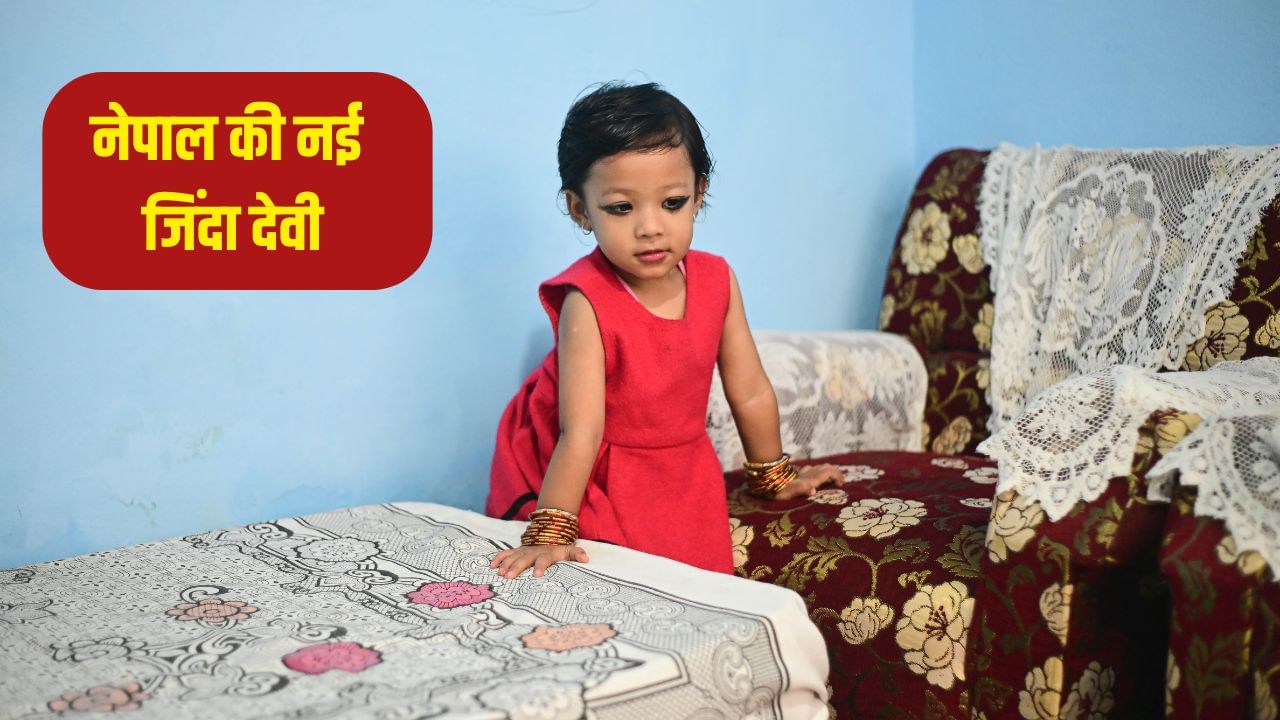
In Nepal, the tradition of selecting a Kumari, or living goddess, continues with 2-year-old Aryatara Shakya. She has been chosen to replace Trishna Shakya, the previous Kumari, now 11 years old. The role of the Kumari is deeply ingrained in Nepali culture, with the young girls believed to be the embodiment of the goddess Taleju, a form of Durga. The selection process is rigorous, with the chosen girl’s physical attributes and courage tested. She is expected to remain composed during a frightening ceremony involving animal sacrifices.
The life of a Kumari is distinct from other children; she is typically restricted from public life and does not attend school. Instead, the government now provides home schooling and allows her to watch TV. Former Kumaris often face challenges reintegrating into normal life. Additionally, a long-standing belief suggests that men who marry a Kumari will face an untimely death, contributing to the girls’ often unmarried status. To support them, the government offers a monthly pension to retired Kumaris.