

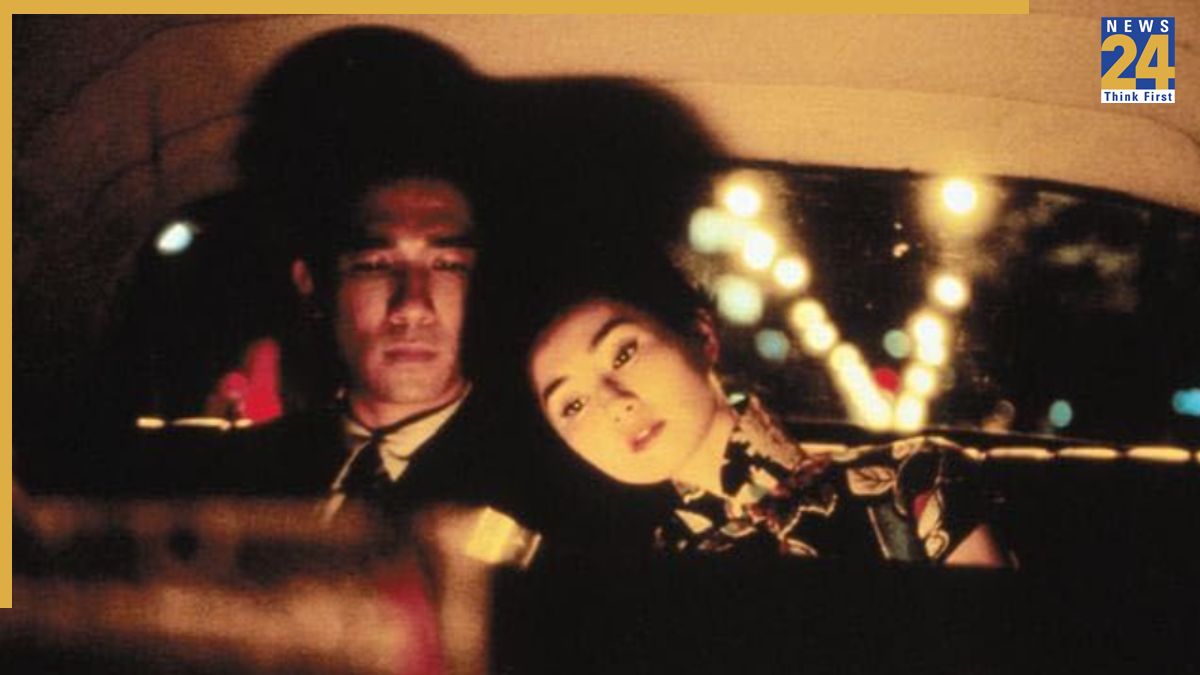
Wong Kar-wai’s ‘In The Mood For Love’ continues to stand the test of time, prompting a revisiting of the film to examine its brilliance. The film’s exploration of love, loss, and longing is timeless. It conveys the bittersweet truth that true love is not eternal, beautifully expressed through its saturated colors, capturing ecstasy and melancholy.
The narrative introduces Chow Mo-wan and Su Li-zhen, two married individuals who become neighbors and share a sense of solitude. Their connection, against a backdrop of vibrant sounds and colors, is a central theme of the movie. The cinematography’s brilliant use of color, a trademark of the film, enhances the drama of the characters. Su Li-zhen’s nightly departures to buy dinner become a focal point, drawing the attention of their neighbors.
Extraneous characters are skillfully used as unseen voices, providing commentary while the camera focuses on the central couple, who find solace in each other’s loneliness. Their connection deepens, and their story unfolds like a muted symphony, echoing the emotions of two people who unexpectedly fall in love. Wong Kar-wai’s appreciation of silence is key.
The cinematography utilizes mirrors and silhouettes to represent the transient nature of the love. A key moment in the film is when the couple rehearses their separation, a scene of tragic love. The film leaves certain tragedies unstated, inviting viewers to ponder the nature of the characters’ love.