

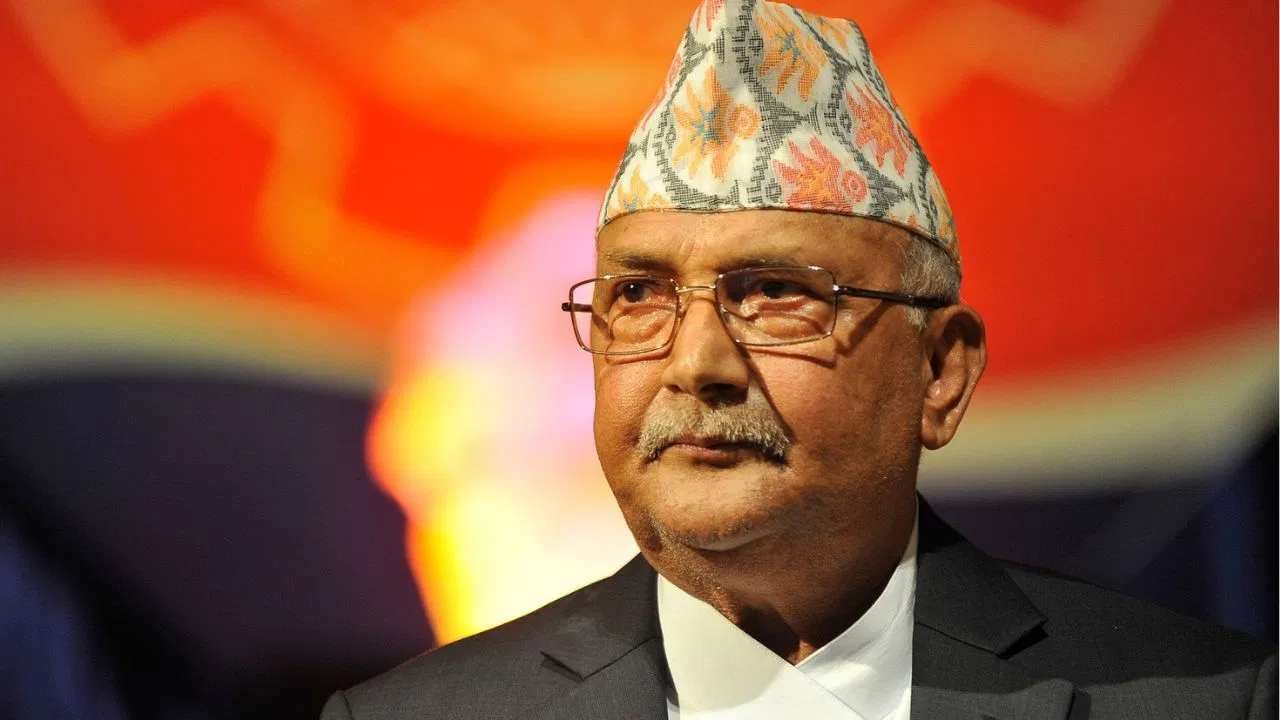
KP Sharma Oli, the former Prime Minister and leader of the CPN (UML), has resurfaced in public after his resignation, attending an event organized by the party’s youth wing in Bhaktapur. This marks his first significant public engagement since stepping down.
The event is interpreted as a strategic effort to reassert his influence and reconnect with younger voters, particularly in the wake of the Gen-G movement. Oli’s departure from office followed intense public discontent and violent clashes, paving the way for the appointment of former Chief Justice Sushila Karki as interim Prime Minister.
Oli had maintained a low profile since the Gen-G protests, which commenced on September 8th, and his subsequent resignation on September 9th. Initially, he was under the protection of the Nepalese army before relocating to a temporary residence. Recent confirmations by party officials indicated his impending return to party activities, culminating in his recent public appearance.
The current political climate, with the parliament dissolved and elections scheduled for March 2026, is marked by persistent protests across Nepal. Young people are at the forefront, advocating for political reform in Kathmandu and other major cities.
Oli’s return is viewed as a calculated move to unify his party and reclaim his position in the political landscape. The critical question remains whether the public, particularly the Gen-G generation, will embrace his return, or if this movement will signify a lasting transformation of Nepalese politics.
The Gen-G movement, which began with student and youth protests in front of the parliament building on September 8th, rapidly escalated into violence. Protesters demanded an end to corruption, greater transparency, and the revocation of a contentious social media ban.
Security forces responded with water cannons, tear gas, and live ammunition. Police opened fire within the parliament building to prevent protestors from entering. On the first day, 21 youths were killed, followed by an additional 39 deaths the next day, including 15 who succumbed to severe burn injuries. The total death toll from the movement has reached 74.