

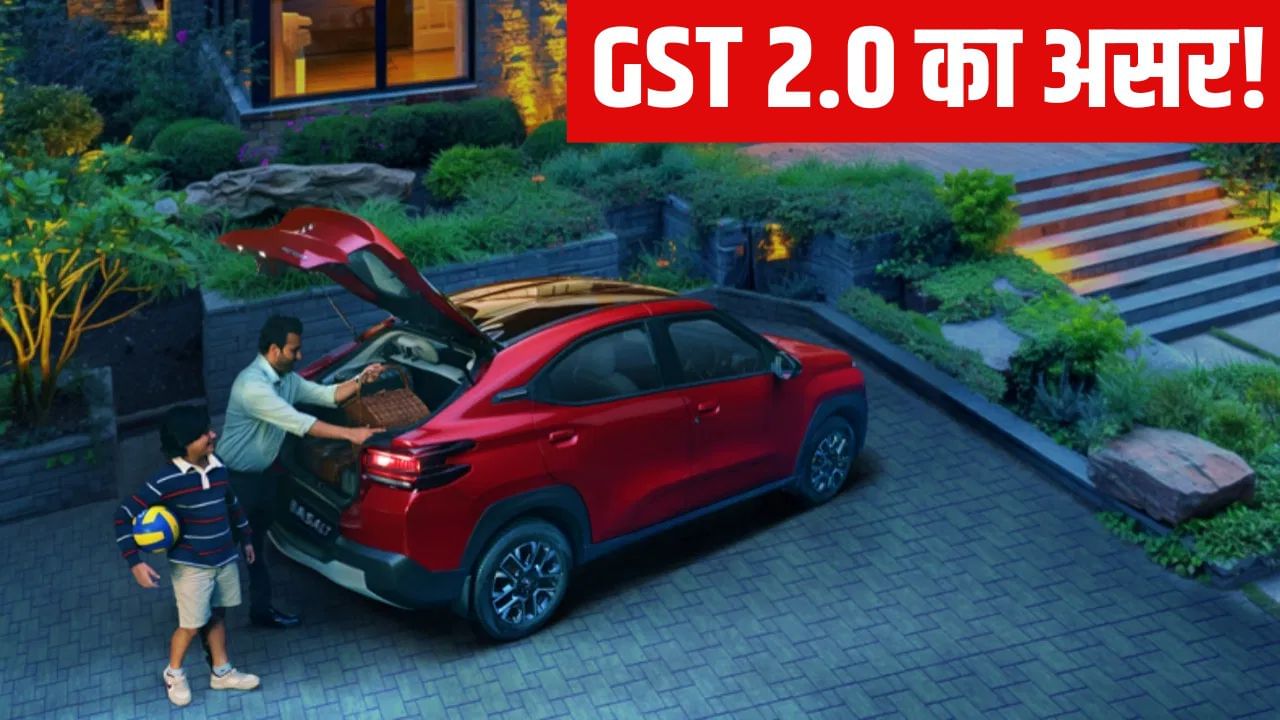
The impending implementation of GST 2.0 on September 22, 2025, has prompted leading auto manufacturers to lower car prices. Notably, Tata, Mahindra, and Maruti vehicles have witnessed price reductions of up to ₹1.2-1.5 lakh. Simultaneously, a recent report by Motilal Oswal sheds light on the prospective growth trajectory of the automotive sector post-GST 2.0. This analysis explores whether further price cuts are anticipated or if prices are likely to stabilize.
Auto Sector Growth Outlook
* Motilal Oswal has revised its volume growth projections, anticipating a surge in demand.
* Two-wheeler sales are now estimated to grow by 4% in FY26 and 7.5% in FY27, a notable increase from the previous estimates of 1% and 5.7%, respectively.
* Passenger vehicle sales could see a 3% rise in FY26 and an 8% increase in FY27, surpassing the earlier forecasts of 2% and 4%.
* Commercial vehicle sales are expected to expand by 5% in FY26 and 7% in FY27.
* Tractor sales are likely to experience a growth of 10% in FY26 and 6% in FY27.
Preference for Premium Models
The report highlights a growing consumer inclination towards premium vehicles, indicating a shift away from smaller, budget-friendly cars towards models featuring advanced amenities and superior comfort. However, it also suggests a gradual recovery in demand for smaller cars.
Discount Reduction in Response to Demand
The Motilal Oswal report suggests a positive trend in car and two-wheeler demand, prompting companies to potentially reduce discounts to enhance profitability. This trend implies that as demand strengthens, discounts are likely to decrease, positively impacting automakers’ profit margins.
GST Reduction as a Catalyst
The recent decision by the GST Council to slash taxes on the auto sector is a key factor. The tax rate for most auto segments has been reduced from 28% to 18%. For SUVs (exceeding 4 meters in length), the tax has been lowered to 40% from the previous 43.50%. This tax reduction, effective from September 22, 2025, directly benefits consumers.
Significant Price Reductions
Tata Motors and Mahindra vehicles have witnessed price drops of up to ₹1.5 lakh. The Toyota Fortuner has seen a reduction of up to ₹3.49 lakh. Maruti vehicles have also become more affordable, with reductions of up to ₹1.2 lakh.
Implications for Consumers
Given the existing price reductions, automakers are likely to minimize additional discounts during the festive season. Therefore, those awaiting festive offers may not find significant extra benefits.