

The Indian automotive sector continues its expansion, with increased competition pushing manufacturers to enhance their offerings. Several brands are planning significant launches in the coming months, including refreshed models and all-new entrants. These vehicles aim to capture market share in the increasingly crowded SUV segment.
Here’s a look at some of the vehicles that are generating anticipation:
**Tata Punch Facelift**
The Tata Punch, a popular micro-SUV, is slated for a design update. The refreshed model is expected to launch around November and will likely feature redesigned bumpers, a new front fascia, 16-inch alloy wheels, and interior enhancements such as a two-spoke steering wheel and a larger infotainment screen. The engine options will likely remain consistent with the Tata Altroz, with the diesel option potentially remaining available.
**Tata Sierra Revival**
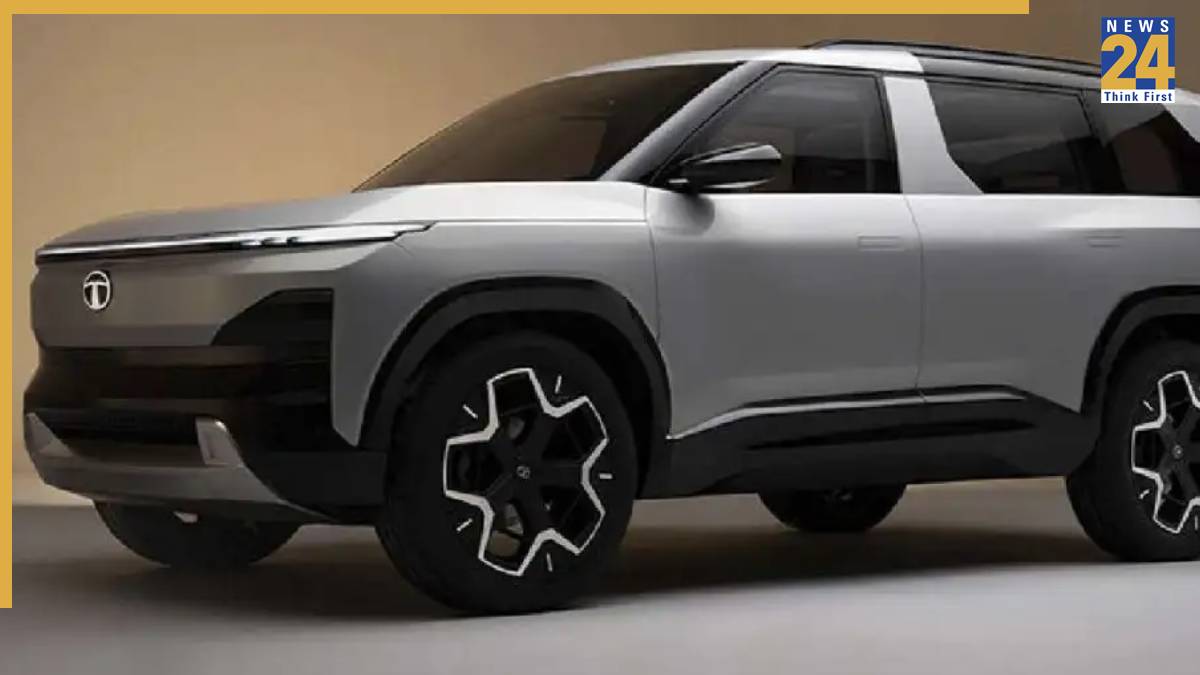
The Tata Sierra is making a highly anticipated return. The new Sierra is being meticulously developed, with camouflaged prototypes seen on Indian roads. Expected characteristics include a bold design reminiscent of the original Sierra, a premium interior with a four-seater configuration, and a 1.5-litre TGDI petrol engine for the ICE version. The Sierra EV is expected to feature a segment-first dual-motor AWD setup. The ICE variant could be released by December, with the EV version following in the coming weeks.
**Hyundai Venue Redesign**
The next generation of the Hyundai Venue, codenamed QU2i, is in the testing phase. The updates are expected to include a sleeker exterior, a larger infotainment display (similar to the Hyundai Creta), and improved interior quality. Although the engine options are anticipated to remain the same, a price increase from the current range of ₹7.94 lakh to ₹13.62 lakh (ex-showroom) is expected.
**Kia Syros EV Preview**
The Kia Syros EV, which has been spotted in testing in Korea, is a promising addition to Kia’s EV lineup. Based on the ICE version but built on the K1 platform, it is expected to blend familiarity with modern EV technology. Key aspects include a similar cabin layout to the ICE version, two battery choices (42 kWh and 49 kWh Nickel Manganese Cobalt (NMC)), and estimated ranges of 300 km (42 kWh) and 355 km (49 kWh). The projected price is between ₹14–20 lakh (ex-showroom).
**Hyundai Bayon Overview**
The Hyundai Bayon, positioned between the Exter and the Venue, is a compact crossover constructed on the i20 platform. The design emphasizes urban adaptability, and it is likely to share mechanical components with the i20 hatchback. Expected features include a 1.2-litre petrol engine and the possibility of mild-hybrid technology to improve fuel efficiency and performance. The Bayon will aim to fill the gap in Hyundai’s lineup between small SUVs and premium hatchbacks.