

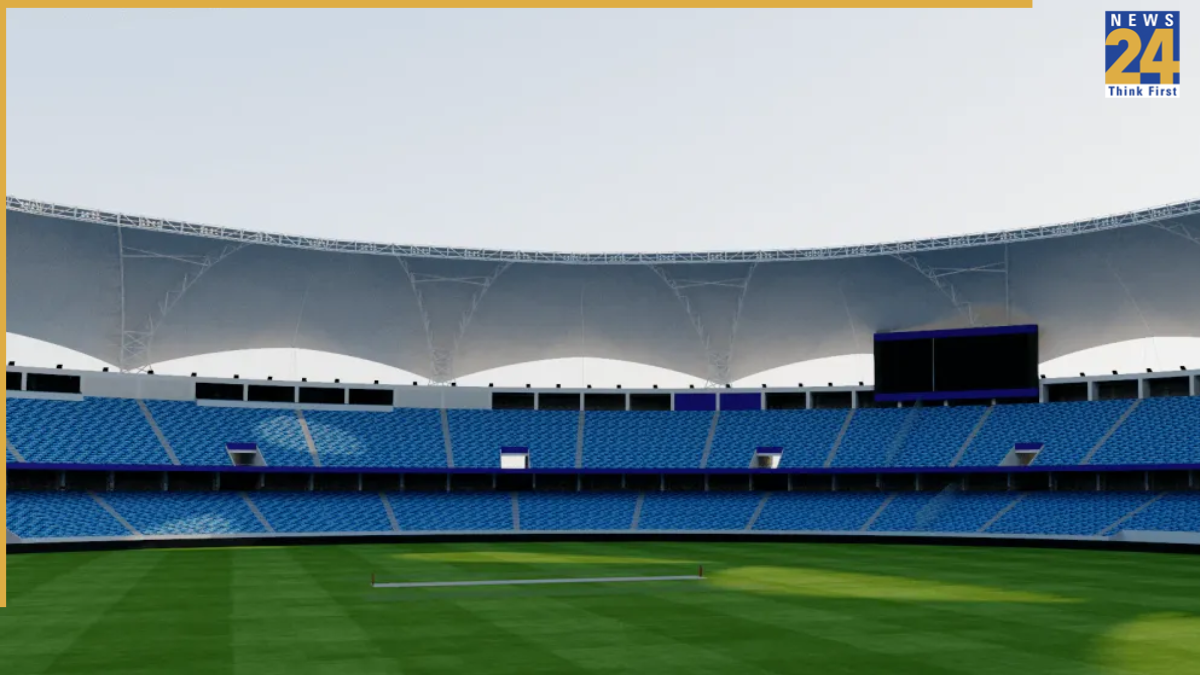
The rivalry between India and Pakistan intensifies every time they meet on the cricket field, becoming a clash of tactics and nerves. The Dubai International Cricket Stadium will host this epic encounter on September 14th. This venue is notorious for its volatile character, creating hurdles for both batsmen and bowlers. Fans eagerly await insights into the playing surface that will dictate the flow of this highly anticipated match.
Analyzing the Dubai pitch, it is evident that the surface traditionally benefits spinners and bowlers who focus on variations in pace rather than raw speed. The pitch typically slows down as the game progresses, offering more grip and turn, which impacts the ease of stroke play. This characteristic makes building steady partnerships a significant challenge.
The Asia Cup has highlighted this pattern. Kuldeep Yadav’s impressive four-wicket performance in India’s match against UAE illustrated the impact of spin. Shivam Dube, using variations, also took three wickets. In Pakistan’s game against Oman, the trio of Saim Ayub, Sufiyan Muqeem, and Abrar Ahmed exhibited how effective spin can be in restricting the opposition.
Considering the conditions, batting first appears to be the preferred strategy. The pitch becomes slower under floodlights, making it harder to chase due to increased spin and the presence of slower bowlers. Teams will likely aim to set a substantial score, then deploy their spin specialists to protect their runs. If dew is a factor during the evening, captains might contemplate bowling first to leverage the conditions of the fresh pitch early on.