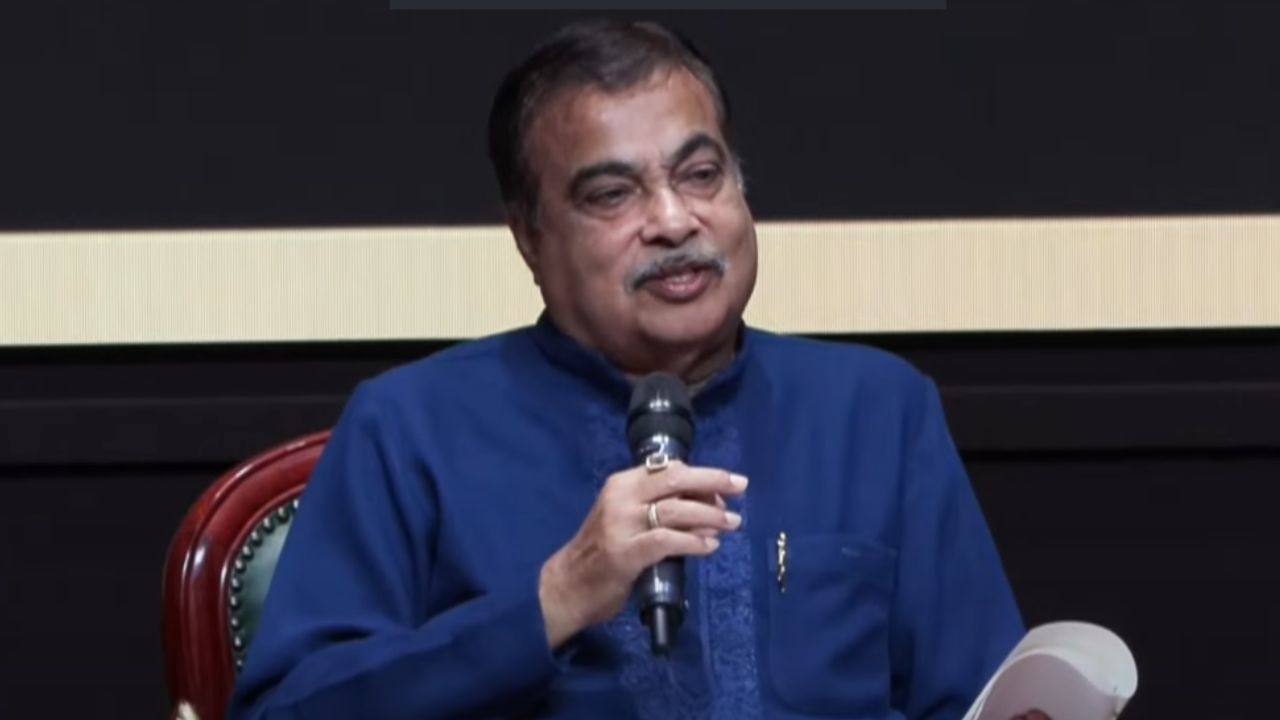
Nitin Gadkari, the Union Minister, has presented a comprehensive vision for the Indian automotive sector, emphasizing the importance of vehicle scrapping to boost the economy and reduce environmental impact. He stated that scrapping all 97 lakh unfit and polluting vehicles could yield 40,000 crore rupees in GST revenue and create 70 lakh jobs. Gadkari made these remarks at the ACMA annual meeting, also aiming to position India as the top automobile industry globally within five years. The current state of vehicle scrapping remains limited, with only 3 lakh vehicles scrapped by August 2025. Gadkari urged automobile manufacturers to incentivize scrapping by offering a minimum 5% discount to customers who provide scrapping certificates when buying new vehicles. The vehicle scrapping policy, also known as the Voluntary Vehicle Fleet Modernization Program (V-VMP), is designed to systematically remove old, unsafe, and polluting vehicles in an environmentally friendly manner. Gadkari believes that the effective implementation of this policy can lead to a 25% reduction in the cost of automobile parts by incorporating recycled materials. Additionally, removing 97 lakh unfit vehicles is expected to lower emissions, decrease fuel consumption, and improve road safety. Gadkari also highlighted India’s ambition to become a global leader in the automotive industry. Furthermore, he addressed the issue of fuel imports, which cost India 22 lakh crore rupees annually, and advocated for diversifying agriculture into energy, including increasing ethanol production. Gadkari emphasized the ongoing transition from E20 to E27 and highlighted Brazil’s long-standing use of 27% ethanol-blended gasoline. He also addressed the road safety crisis in India and linked fuel policy, scrapping, and safety under the umbrella of national security. The Automotive Research Association of India (ARAI) is assessing the suitability of E27 fuel, with approvals expected to follow. Gadkari believes that promoting the scrapping campaign and ethanol adoption could revolutionize India’s auto economy, reduce pollution, and strengthen energy independence.
Gadkari’s Vision for the Auto Sector: Scrap Vehicles, Boost Economy, and Reduce Emissions