

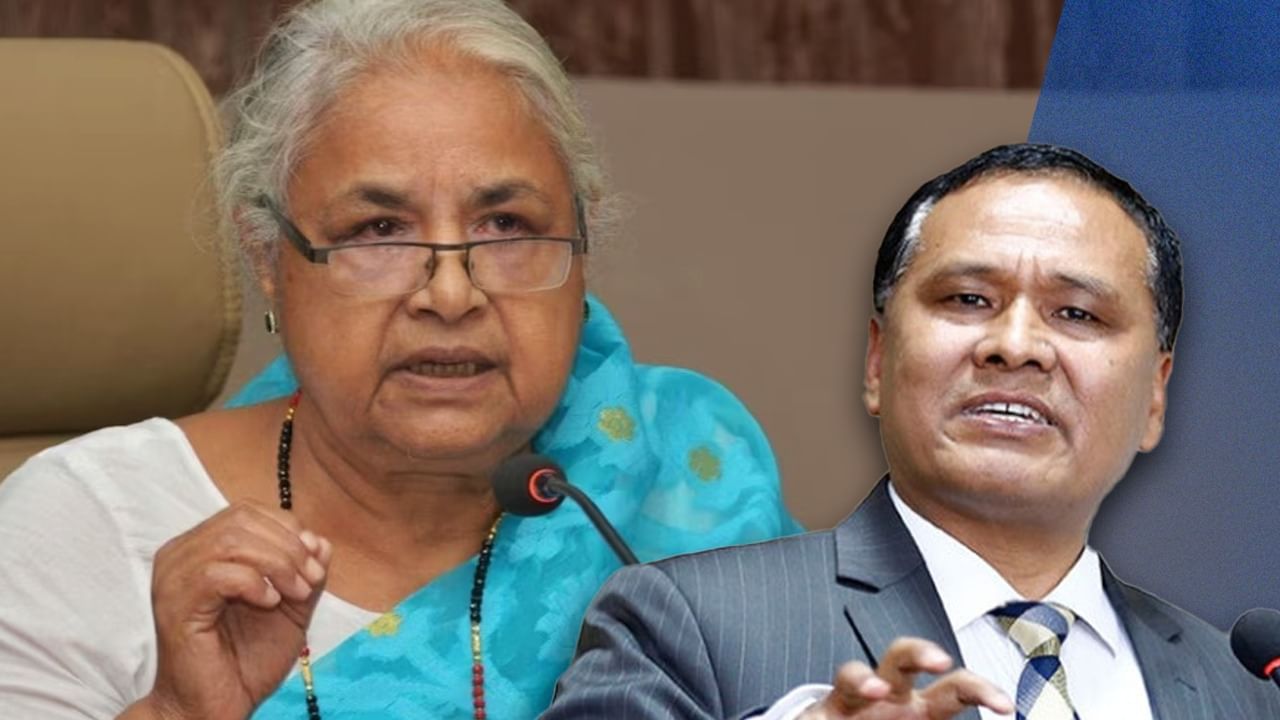
Following KP Sharma Oli’s resignation, Sushila Karki has been chosen to serve as Nepal’s interim prime minister. Before taking the oath of office, Karki conferred with President Ramchandra Paudel and Army Chief Ashore Raj. The 74-year-old Karki receives support from Generation-Z. Her responsibilities as interim prime minister will include overseeing elections and implementing systemic reforms.
The selection of Karki followed discussions about potential candidates, including Kulman Ghising, Balen Shah, and Durga Prasai. The ultimate decision to appoint Karki prompts inquiries into the rationale behind the choice.
Reasons for Karki’s Nomination:
1. Former Supreme Court Chief Justice: Among the individuals considered, Karki’s experience as a former chief justice sets her apart. Her background offers an understanding of both the governmental system and authority. While she served as Chief Justice, Karki was known for her criticism of corruption.
2. Strong Ties with India: Karki has maintained positive relations with India. She is an alumna of Banaras Hindu University. Upon the proposal of her name, she promptly acknowledged Indian Prime Minister Narendra Modi. India’s influence is significant within Nepal’s political landscape.
3. Lack of Political Opponents: Karki does not have any political enemies. In comparison, Kulman Ghising has had political disagreements with KP Sharma Oli, and Balen Shah has differences with the Nepali Congress. The appointment of either of them could have incited constitutional challenges. The army and the president decided on a compromise.
4. Constitutional Framework: Sushila Karki, a former Chief Justice of the Supreme Court, was chosen as the interim prime minister. The Nepalese constitution does not explicitly mention an interim prime minister. This scenario may possibly lead to a case in the Supreme Court. The president tried to avoid a constitutional crisis by appointing a former Supreme Court judge to the position.