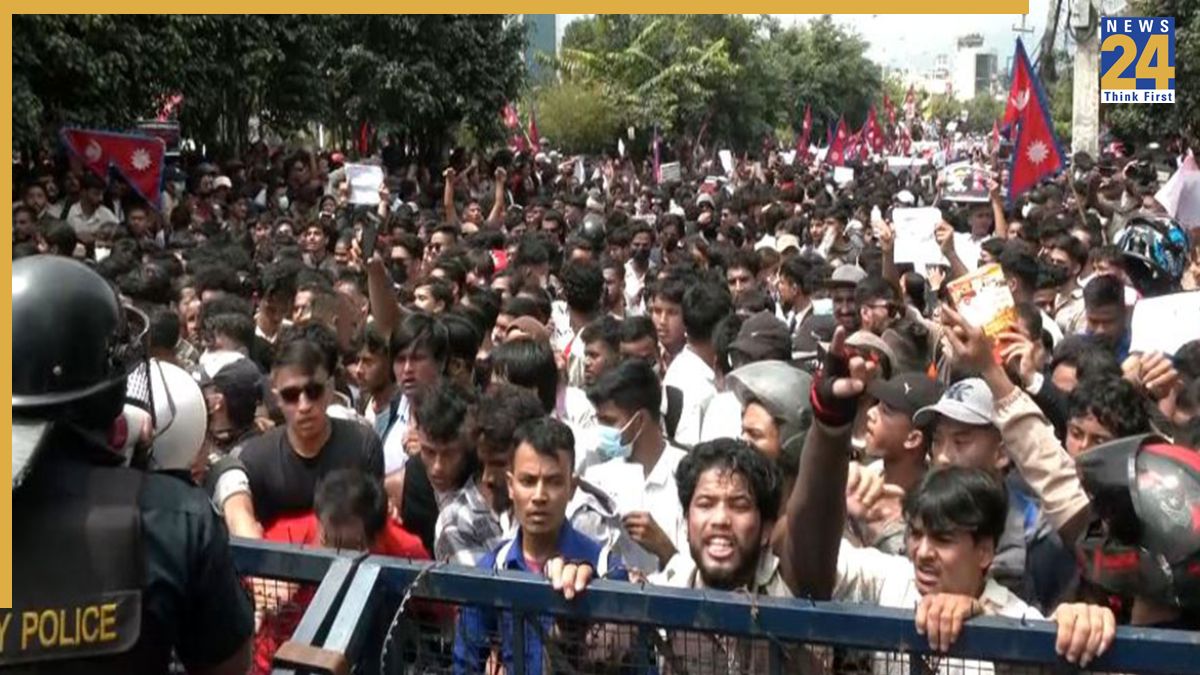
Nepal is experiencing significant political instability, with protests that began over a social media ban evolving into a widespread movement against corruption and economic woes. The resignations of Prime Minister KP Sharma Oli and President Ramchandra Paudel highlight the severity of the situation. The events in Nepal echo the trajectory of unrest seen in neighboring countries like Bangladesh and Sri Lanka, where initial grievances escalated into broader anti-government sentiments. The involvement of international powers is also being questioned, particularly in light of Nepal’s strengthened ties with China during the previous government. The US has also stepped in with financial aid through the ‘Millennium Challenge Nepal Compact,’ adding a layer of complexity to the internal dynamics. The unrest is further fueled by pre-existing issues like corruption and youth dissatisfaction. With leaders facing downfalls, clashing foreign influences, and intense public anger, Nepal stands at a delicate juncture, and the impact of the crisis is yet to be fully realized.
Nepal on the Brink: Protests, Resignations, and the Shadow of Geopolitics
 By The Chhattisgarh1 Min Read