

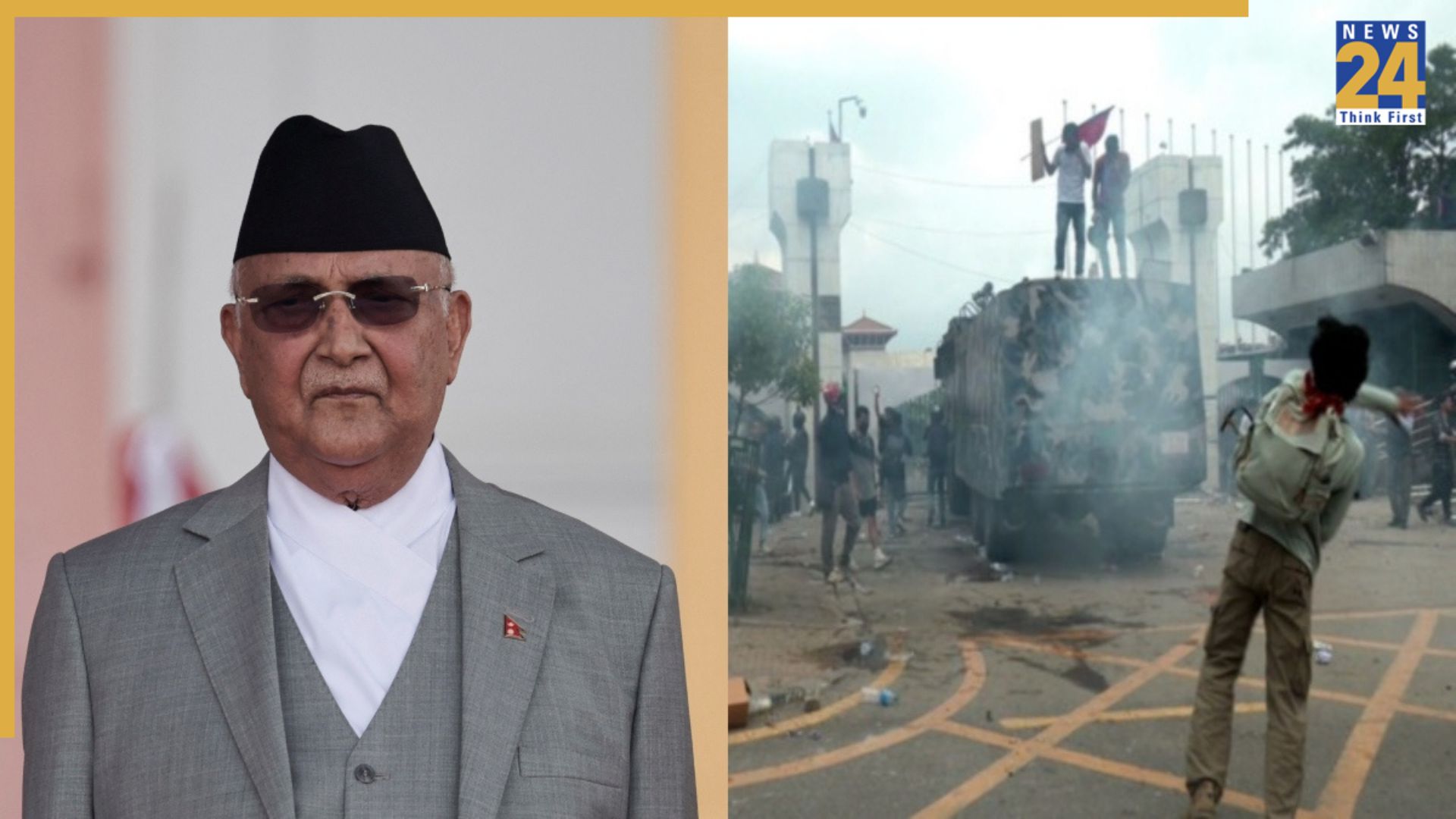
The Nepalese government has reversed its social media ban following violent protests in which 19 people died. The ban, implemented on September 4, was a response to demonstrations against corruption and the government’s restrictions. A cabinet meeting decided to lift the ban, previously justified by the government’s claims of non-compliance from social media companies.
Prime Minister KP Sharma Oli, in a late-night statement, addressed the violence but avoided accepting responsibility, instead blaming “infiltrating” elements. Communication Minister Prithivi Subba Gurung confirmed that the Prime Minister would not resign. The lifting of the ban restored access to platforms like Facebook, YouTube, and X. The government had defended the ban as a means to combat fake news, a move that drew criticism from human rights groups, who viewed it as censorship. The protests, largely driven by young people, reflected widespread dissatisfaction with economic conditions and corruption.
Multiple deaths occurred in Kathmandu and Itahari during the protests. The security forces’ response included the use of live ammunition and tear gas. The embassies of several nations issued a joint statement expressing condolences and support for human rights. They urged all parties to show restraint and protect fundamental rights. The United Nations Human Rights Office also called for a transparent investigation into the events.
The protests, led by youth groups, turned violent after allegations of excessive force by security forces. The UN expressed shock at the killings and urged authorities to adhere to the principles on the use of force. The UN also encouraged dialogue and reconsideration of social media regulations to align with human rights. The situation underscores rising public anger over government control and restrictions on digital platforms.