

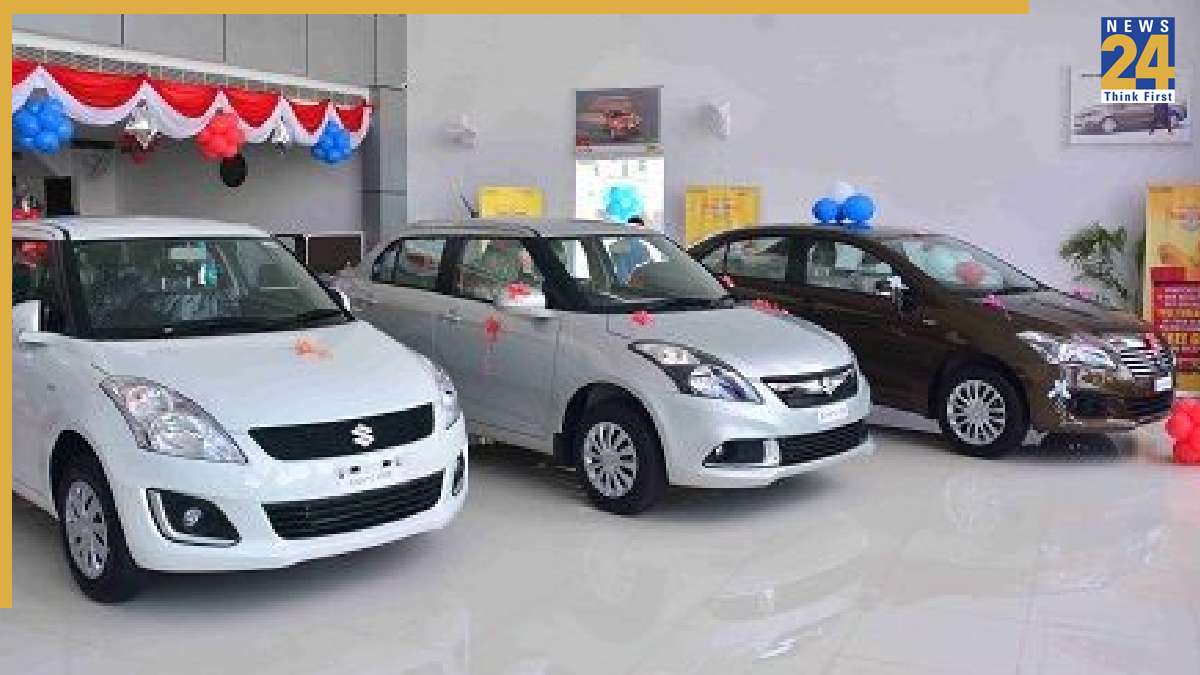
In a move designed to boost car ownership, the Indian government has modified the Goods and Services Tax (GST) rates for automobiles. The initiative is in response to demands from the automotive sector, aiming to increase the adoption of personal vehicles across the country. Although India ranks as the third-largest car market globally, its rate of vehicle adoption per capita is relatively low.
The GST Council’s 56th meeting resulted in a reduced tax rate of 18% for small cars, down from the previous 28%. Larger vehicles, including SUVs, will now be taxed at 40% without any additional cess, which effectively reduces the final tax incidence. Electric vehicles retain a 5% GST rate, and all auto components are taxed at 18% regardless of their use.
The definition of a small car, for tax purposes, includes vehicles under four meters in length, with petrol/CNG/LPG engines under 1,200 cc and diesel engines under 1,500 cc. Vehicles exceeding these parameters will be subject to the 40% GST.
The changes in tax rates affect a wide range of cars, from entry-level models to the more luxurious options. Notable brands and models include Maruti Suzuki (Alto K10, Swift), Mahindra (Thar), Hyundai (Creta), Tata Motors (Nexon), KIA India (Sonet), Toyota India (Glanza), and others. This restructuring aims to create a more favorable tax environment, potentially influencing consumer purchasing decisions.
Consumers considering vehicles with slightly larger engines will face a 40% GST. This may impact the cost of vehicles used in mountainous areas. Similarly, motorcycles with engines larger than 350cc will also face a higher tax.