

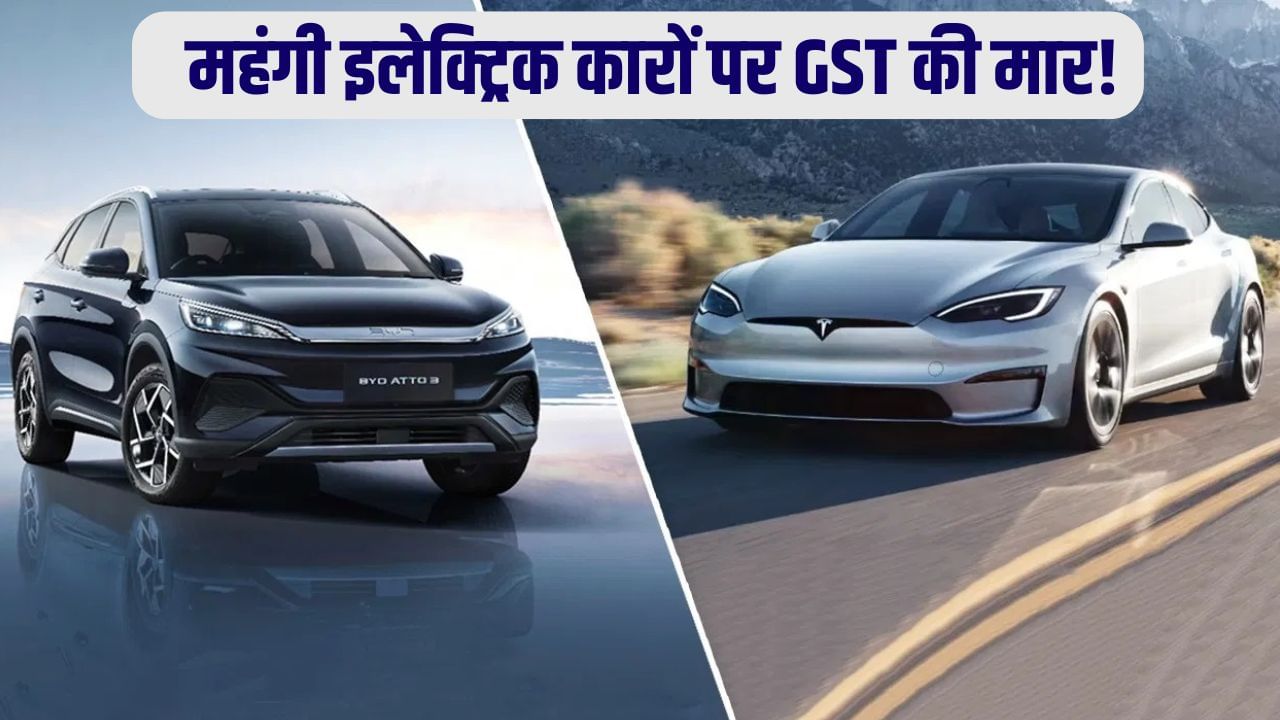
The burgeoning electric vehicle market in India might experience a significant shift as the government considers adjusting the Goods and Services Tax (GST) structure. A tax panel has proposed an increase in GST rates for electric vehicles, which could lead to substantial price increases for consumers, especially those interested in luxury models.
The proposed changes target EVs priced above a certain threshold. Vehicles costing under ₹40 lakh may see their GST rise from the current 5% to 18%, potentially increasing the price of these vehicles by up to ₹7.20 lakh. For vehicles priced over ₹40 lakh, the proposal suggests a 28% GST, which could result in a price increase of up to ₹14 lakh.
The GST Council, including representatives from all Indian states, will deliberate on these recommendations, and the final decision will be made during its meeting on September 3rd and 4th.
The current landscape of the Indian EV market reveals a rapidly expanding sector. While EVs currently represent a small percentage of overall car sales, the growth rate is remarkable. This proposal comes amidst a period of significant expansion in the EV market, where sales have shown substantial growth.
The primary aim of the initial 5% tax rate was to encourage the adoption of EVs. The panel now suggests that it is crucial to implement differentiated tax rates for high-value vehicles.
Domestic automakers, such as Mahindra and Tata Motors, may experience minimal impact from these changes due to the pricing of their existing EV models. On the other hand, international companies are likely to face more considerable challenges. The potential for increased taxes may affect sales and consumer interest in premium EV brands like Tesla, Mercedes-Benz, and BMW.
In terms of market share, Tata Motors currently leads the Indian EV market. This position underscores the importance of the domestic brands within the Indian automotive sector. The potential implications of these tax proposals could reshape the competitive landscape. The proposed changes have the potential to reshape the competitive landscape, influencing both sales figures and consumer choices. Elon Musk has previously expressed concerns about the import duties in India, and the additional GST could further complicate the business environment for companies like Tesla.