

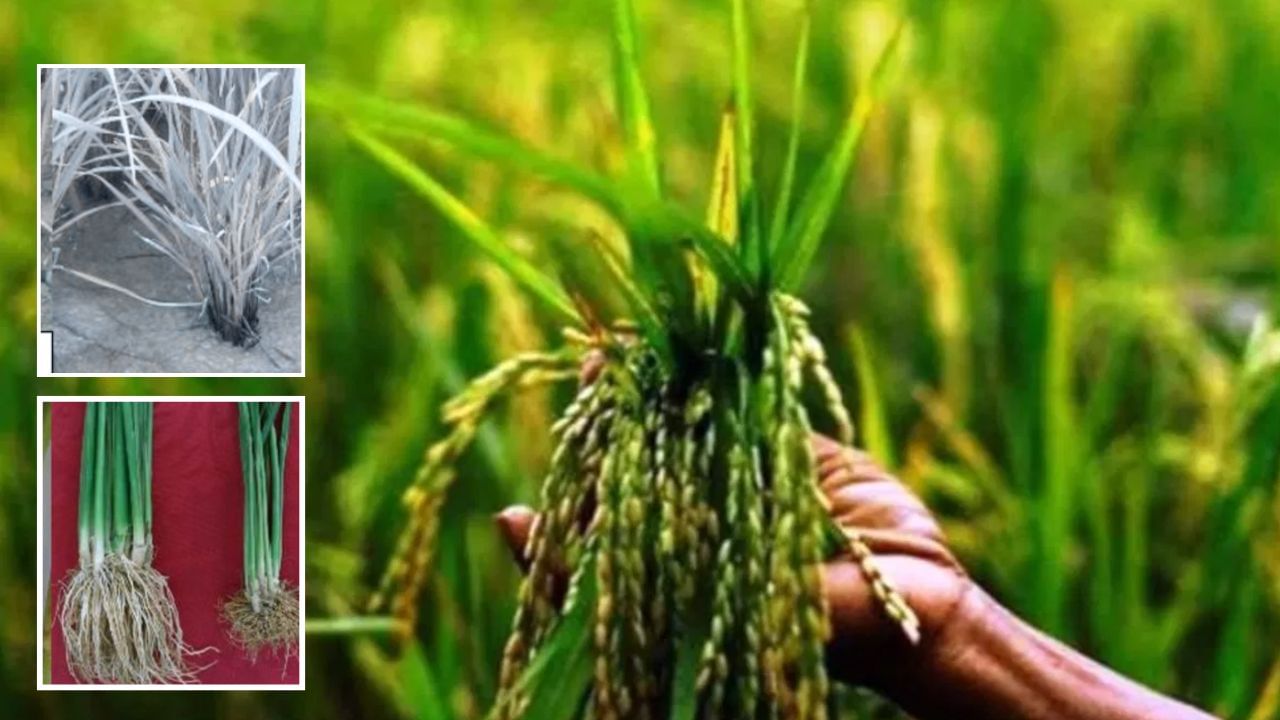
The cultivation of various rice varieties is a widespread practice across India, with each type possessing distinct qualities. However, many farmers are now concerned about a virus originating from China. This virus, first identified in 2001, causes rice crops to turn black, leading to significant damage. The Southern Rice Black-Streaked Dwarf Virus (SRBSD), initially found in southern China, has prompted the Haryana government and agricultural scientists to take precautionary measures.
Haryana is a major rice-growing state, with rice being a vital crop for its farmers. The region’s basmati rice is globally recognized. The government acknowledges that this well-earned reputation is now at risk. The issue was discussed in the Haryana Legislative Assembly. Agriculture Minister Shyam Singh Rana reported that approximately 92,000 acres of the 4 million acres of rice planted in the state have been affected by the virus.
The government is monitoring the situation and advises farmers to follow the guidance of agricultural scientists and government directives during planting to reduce the impact of such diseases.
Understanding the SRBSD Virus
The Southern Rice Black-Streaked Dwarf Virus (SRBSD) was first detected in China. Until 2008, the virus was confined to southern China. In 2009, the virus was detected in Vietnam, and since then, its effects have been observed in other countries.
Impact on Rice Crops
The virus is transmitted by the White-backed Plant Hopper (WBPH), which feeds on the sap of rice plants and spreads the virus from infected to healthy plants. The virus essentially stunts the growth of rice plants, leading to a reduction in size by up to 40% and significantly affecting yields.
The virus’s impact is most severe after planting, potentially leading to crop failure. Severely affected plants wither and die, with their lower parts turning black. Also visible on the stems are small, striped, waxy galls.
Duration of the Virus’s Impact
Studies reveal that SRBSD is most effective in its early stages, potentially diminishing crop production by up to 50%. The impact lessens over time. It poses the most serious threat during the sprouting phase. If the crop survives this phase, there is little cause for concern. The virus was detected in India three years ago.
Protecting Crops from the Virus
Scientists have issued advisories. Agricultural scientists advise farmers about the virus during planting. According to these advisories, the presence of White-backed Plant Hopper requires spraying with Paxolem 10 SC (Triflumizopyrim) 235 ml per hectare, Oshin Token 20SG (Dinotefuran) 200 grams per hectare, or Chase 50 WG (Pymetrozine) 300 grams per hectare. For greater protection, spray the medicine at the base of the plant to prevent virus spread.
Affected Rice Varieties
Several rice varieties are susceptible to this virus. Research indicates that Basmati (Pusa-1962, 1718, 1121, 1509, 1847, and CSR-30) and non-Basmati (PR-114, 130, 131, 136, Pioneer Hybrid, and Arai Swift Gold), have been affected. This has resulted in reduced production, making it difficult to meet market demand.