

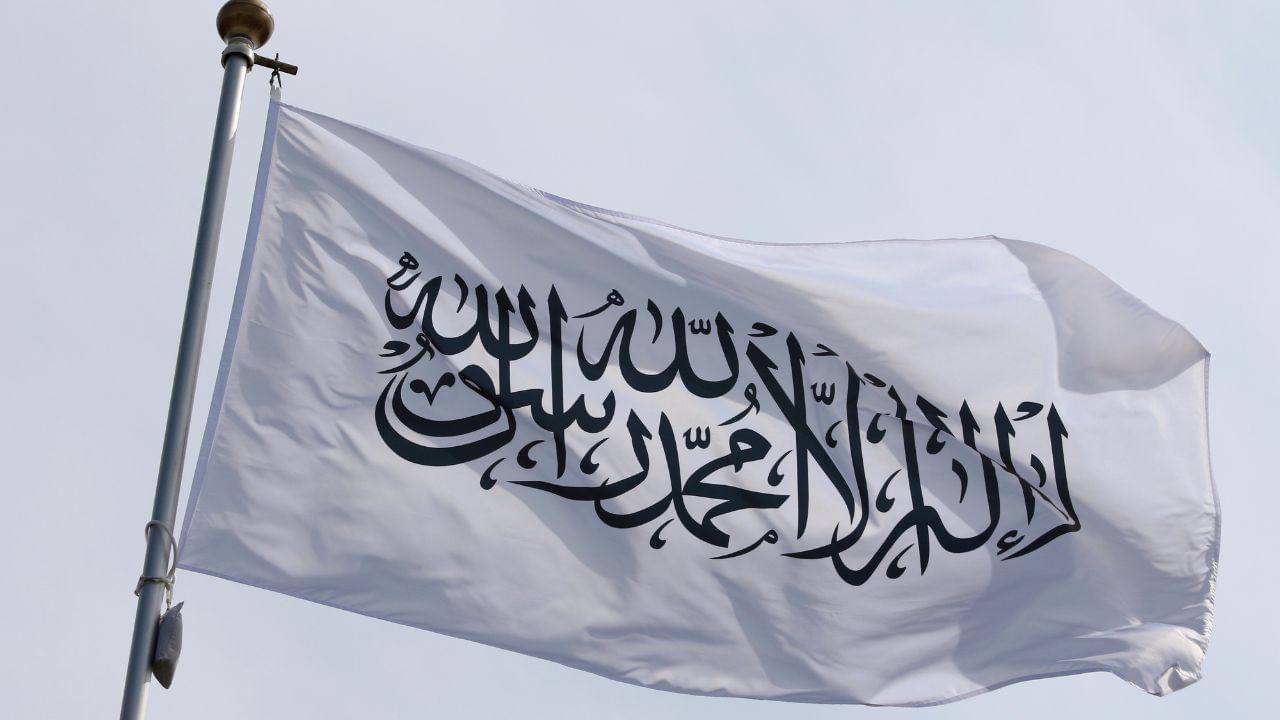
Four years have passed since the Taliban took control of Afghanistan. During this time, the Taliban has curtailed numerous fundamental rights of women. Since assuming power in 2021, girls have been barred from attending middle schools, high schools, and universities. A recent directive has been issued, prohibiting girls and women from studying in religious schools (madrasas).
Reports indicate that Taliban leader Hibatullah Akhundzada issued this order. Sources state that during a cabinet meeting in Kandahar, Akhundzada directed the education and higher education ministries to progressively restrict female enrollment in religious schools. The initial step will be the cessation of graduation certificate issuance.
The reason for this order is attributed to Akhundzada’s discovery that many religious schools were teaching not only Islamic studies but also subjects like mathematics, science, and languages. This decision has sparked a major debate within the Taliban cabinet. Some ministers expressed their dismay, stating they hoped to reopen girls’ schools this year.
Numerous ministers cited Quranic verses and Hadith emphasizing education’s importance for both genders. However, Hibatullah persisted with the question: Why should a young girl study outside her home? He had used the same justification when the universities were closed to girls.
The cabinet meeting became so contentious that some Taliban leaders directly criticized their chief. They contended that this conduct would foster anger and division within the Taliban and attract further international condemnation. Many individuals suspect that Akhundzada, possibly influenced by a foreign agenda, is intentionally weakening their government.
On August 15, 2021, the Taliban seized Afghanistan following the withdrawal of US forces, ending two decades of conflict. Upon gaining power, they implemented their strict interpretation of Sharia law, placing significant limitations on women and girls. These restrictions included the cessation of education after the sixth grade, the near elimination of employment opportunities, and constraints on movement outside the home. The United Nations, human rights organizations, and numerous nations have continuously criticized the Taliban’s actions, yet there has been no visible improvement in the situation.