

The United States exerts its influence worldwide, impacting governments in various regions. Those who have challenged the US have often faced repercussions, including removal from power. Leaders like Gaddafi, Saddam Hussein, and potentially others have experienced the consequences of opposing the US. However, Venezuela’s President Nicolas Maduro has defied these trends, remaining in power despite US efforts. Maduro and his predecessors have viewed the US as an ‘imperialist’ power, maintaining a distance from Washington.
The US has imposed sanctions on Venezuela and offered rewards for Maduro’s capture. Recent actions by the US include increasing military presence in Latin America and deploying warships towards Venezuela. In response, Maduro has mobilized a large militia force, asserting that Venezuela’s territory is inviolable. Venezuela’s ability to resist US pressure comes from its connections to drug cartels, its significant militia, its oil wealth, and its location in the Caribbean Sea. This article delves into these factors that bolster Venezuela’s independence.
Venezuela’s economic resilience is aided by its large oil reserves and its links to international drug cartels, responsible for global drug distribution. The US has accused Maduro of narco-trafficking. In 2020, the US filed charges against Maduro related to narco-terrorism and cocaine trafficking. The drug trade is seen as a major source of revenue alongside oil.
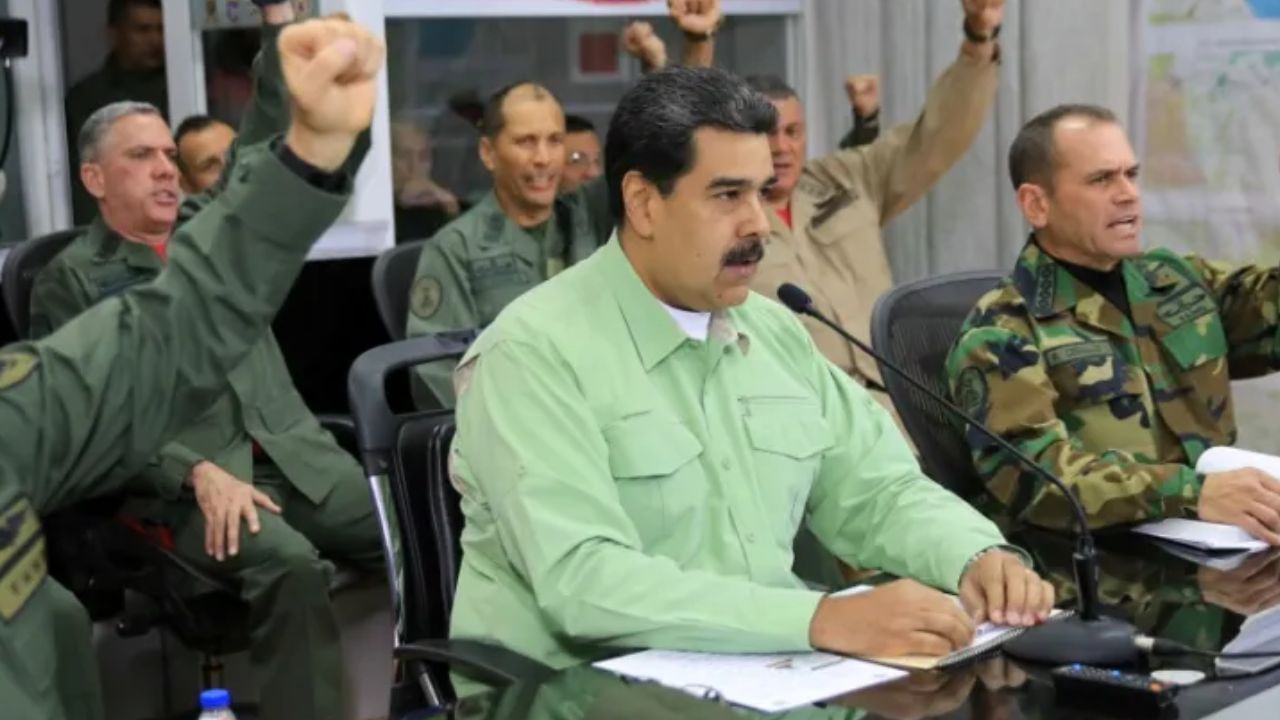
In response to US actions, Maduro announced the deployment of a 4.5 million-strong militia, highlighting their preparedness and weaponry. He warned against any intrusion on Venezuelan soil. The militia reportedly consists of about 5 million members, a substantial part of Venezuela’s 30 million population. It encompasses reserve brigades, special resistance units, and regional forces. This militia is key to Maduro’s hold on power, as the US has attempted to instigate regime change.
Venezuela’s Caribbean coastline offers it strategic advantages, although it doesn’t provide complete protection from external threats. Its northern border faces the Caribbean and Atlantic, including several islands. This area controls critical shipping lanes for trade and oil exports within the Caribbean.