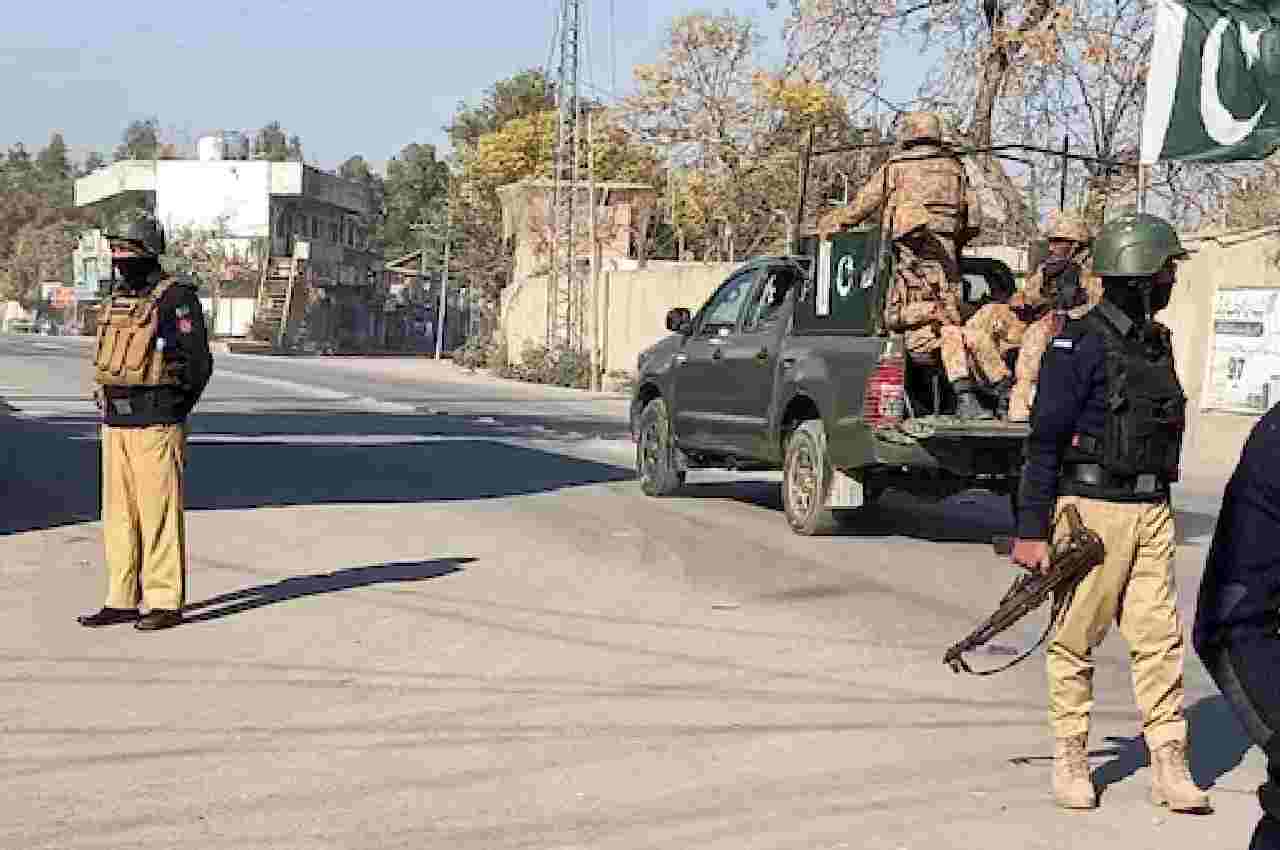
The Balochistan administration has prolonged Section 144, enforcing limitations on public assemblies and other activities for another 15 days, extending until August 31st. The extension, officials state, is a response to increased security anxieties during the month of August, a time when armed groups allegedly escalate attacks, particularly around key dates like August 11, 14, and 26. The restrictions include the ongoing ban on motorcycle pillion riding, a prohibition on concealing faces, and the prevention of gatherings of five or more people. Additionally, the movement of public transport at night has been restricted since August 13th, with commercial vehicles barred from highways between 5 p.m. and 5 a.m. A complete suspension of mobile internet services (3G and 4G) across all 36 Balochistan districts has been in place since August 6th and will continue until August 31st. The Balochistan High Court earlier this week ordered the restoration of mobile internet in most areas, but the blackout remains, creating significant disruption to communication, online learning, freelance work, businesses, and news distribution. Students have expressed concerns, and local journalists have noted the obstruction of free information flow. Civil society organizations have called on the government to respect the court’s decision. A curfew in the Nasirabad area of Kech district has resulted in closed markets and confined residents. Local sources report shopkeepers were briefly detained for attempting to reopen their businesses. The All Parties Kech alliance has condemned the curfew, and similar concerns have been expressed in other areas like Gwadar. The government defends the restrictions as vital for preventing militant actions, while political parties and human rights organizations criticize them as collective punishment against civilians.
Balochistan Maintains Section 144 and Internet Blackout Until August 31st
 By The Chhattisgarh2 Mins Read