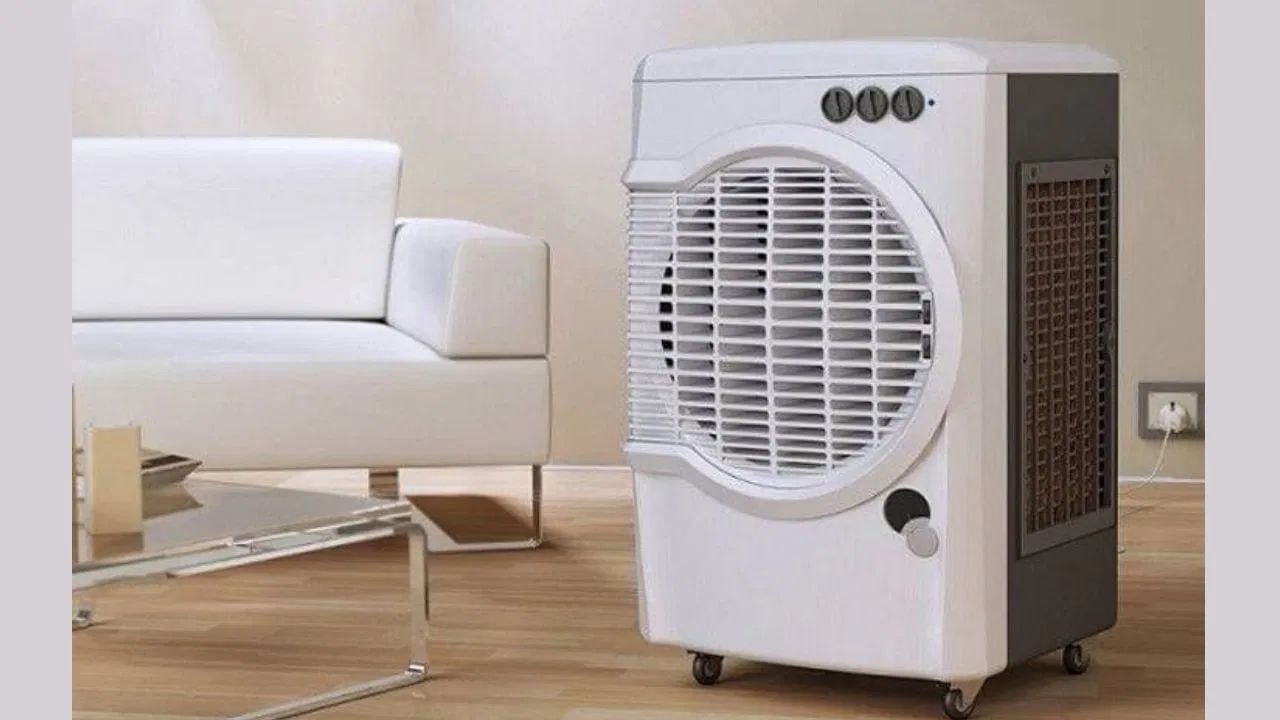
The monsoon season often sees an increase in the use of coolers, with people seeking the added cooling effect of water-filled units. However, this practice poses potential health risks. Coolers function by utilizing water to cool the air. During the rainy season, the air already carries a high level of humidity. Using a cooler in such conditions can significantly increase indoor humidity. This elevated humidity can adversely affect health, promoting the rapid growth of fungi and bacteria within the room. Consequently, individuals may experience respiratory issues, such as difficulty breathing, along with coughs, colds, and allergic reactions. Medical professionals highlight that prolonged use of coolers during the rainy season can lead to joint pain, skin fungal infections, and increased allergy susceptibility. Those with pre-existing conditions like asthma or allergies face an amplified risk. The presence of moisture also elevates the danger of electrical hazards. Water from the cooler could potentially reach the motor or wiring, leading to short circuits or electric shock, which can be fatal. To mitigate these risks, it’s advisable to minimize cooler usage during the monsoon season. If necessary, operate the cooler without water to maintain airflow without excessively increasing humidity. Regular cleaning of the cooler is crucial to prevent bacterial growth. Households with young children, the elderly, or allergy sufferers should avoid using coolers during the rainy season. Additionally, it’s essential to inspect electrical wiring and plugs to prevent short circuits. While coolers offer relief in hot weather, their use with water during the monsoon can be detrimental. Prioritizing natural ventilation or using fans during this time is a safer alternative.