

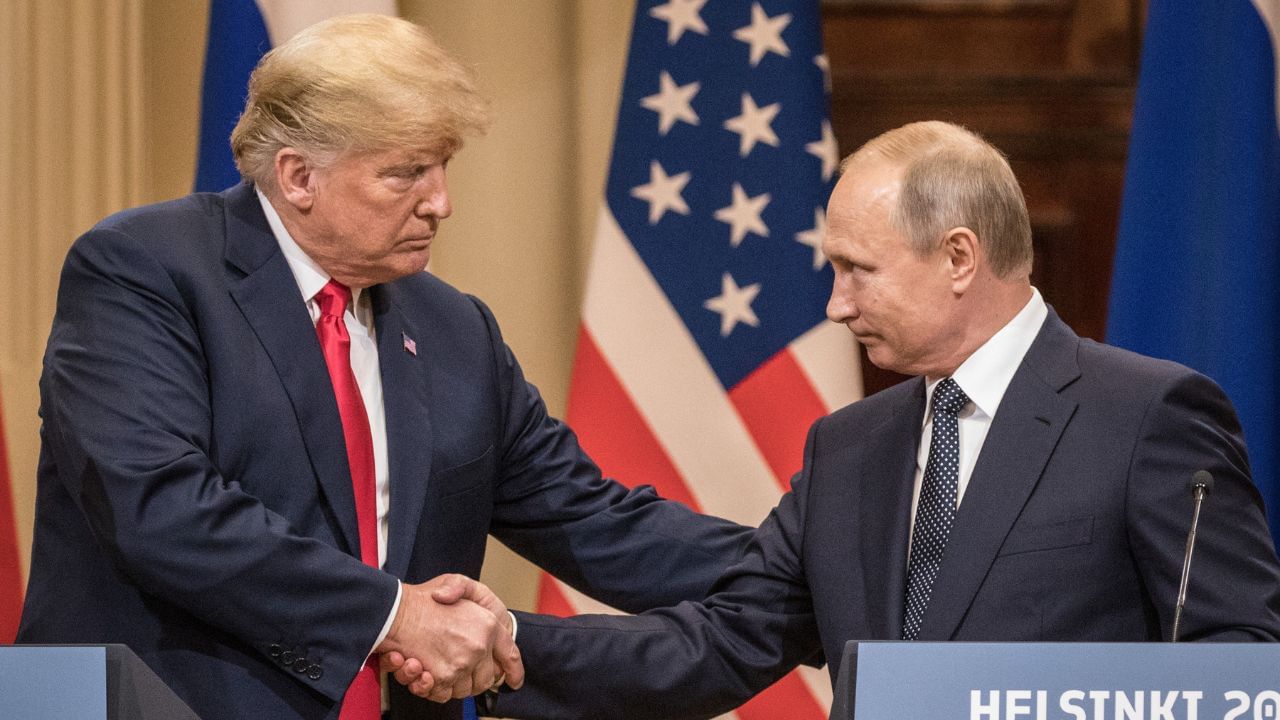
The highly anticipated meeting between President Donald Trump and President Vladimir Putin, which lasted for three hours, has concluded. While the meeting has ended, discussions and analyses of its outcomes are still ongoing. The encounter was seen as historic due to Putin’s first visit to the US in a decade, however, the meeting’s results fell short of expectations.
Despite the extended discussions, no solid resolutions were achieved regarding the war in Ukraine. Furthermore, the press conference was brief, with both leaders concluding it within 12 minutes without addressing the media’s inquiries. The Trump-Putin talks highlighted the necessity, yet difficulty, of dialogue. In essence, the meeting generated optimism while also presenting new concerns. Let’s delve into a detailed analysis.
**Positive Outcomes:**
**Putin’s Re-emergence on the Global Stage:**
The primary highlight was Vladimir Putin’s reaffirmation of his influence on the global stage. Following the 2022 invasion of Ukraine, Russia faced severe isolation and sanctions from Western nations. However, Putin’s return was marked by a meeting with the influential US President Donald Trump. Trump extended a warm welcome to Putin, complete with a red carpet, applause, and smiles. This reception offered Putin the recognition he had long sought.
**Trump’s Supportive Stance Towards Putin:**
Trump’s welcoming remarks hinted at his willingness to advocate for Putin diplomatically. This sent a message to America’s traditional European allies, suggesting that Trump prioritizes maintaining Russia’s presence at the negotiation table, even if it strains Western unity.
**Impact on India and Trump’s Strategy:**
The meeting’s political and diplomatic ramifications are also notable for India. Prior to the talks, Trump criticized India’s oil imports from Russia. He claimed in a radio interview that US tariffs on India were a factor in Putin’s willingness to engage in discussions. Experts suggest this pressure is part of Trump’s strategy to indirectly communicate with Russia via India. Considering the lack of concrete outcomes from the meeting, the US might reconsider further targeting India.
**Negative Outcomes:**
**Continued Conflict:**
A major concern is that the war will persist despite the discussions. The absence of any agreements means the situation on the ground will remain unchanged, prolonging the suffering of civilians. Putin’s preference to end the war on his terms could be a reason no agreement to cease the conflict was reached during the Alaska meeting.
**Erosion of Trust:**
There’s concern that this meeting could erode trust among Europe and America’s allies. If the US displays leniency towards Russia, European nations might perceive a disregard for their security interests. Prior to the meeting, Ukraine’s European allies emphasized the need for Ukraine’s inclusion in any peace negotiations with Russia.
**Balancing Act for America:**
The US faces the challenge of balancing its approach to Russia and Europe. Trump aims to improve relations with Putin but also needs to consider the expectations of NATO countries. This balancing act may prove difficult for US foreign policy.