

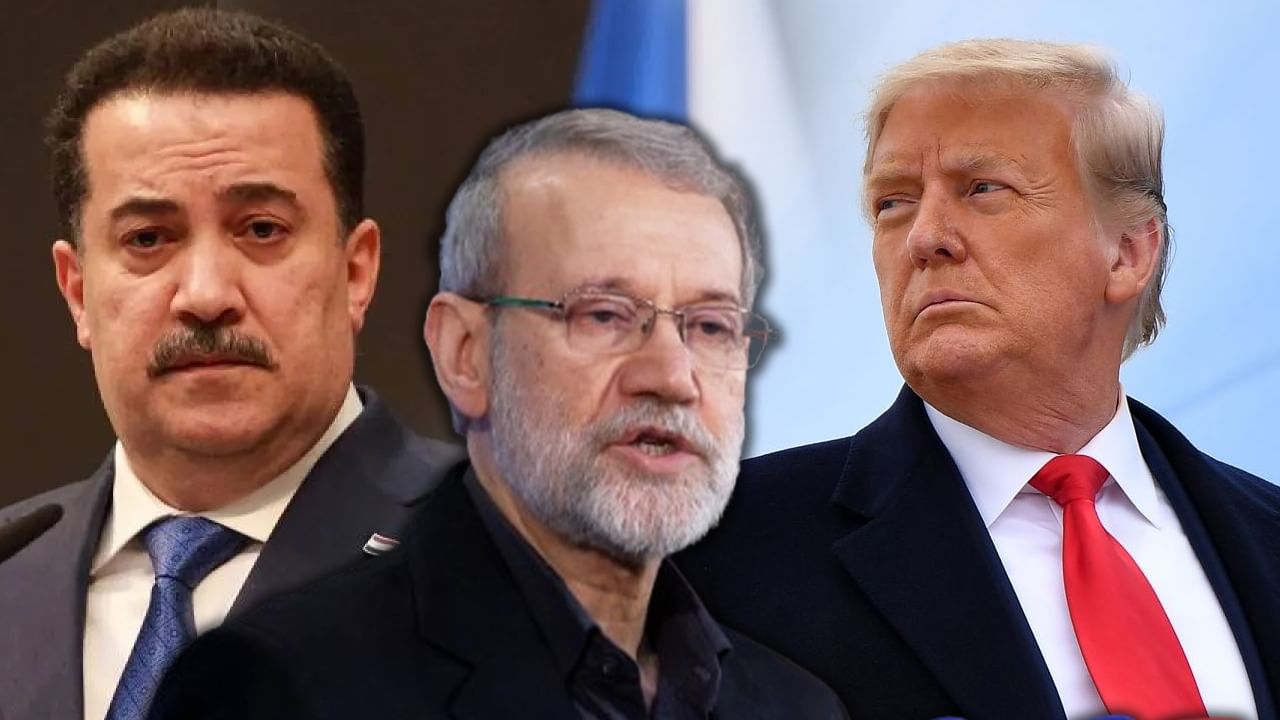
The United States is expressing concerns regarding a recently-signed defense agreement between Iran and Iraq. The agreement, which focuses on enhancing security cooperation along the 1400-kilometer border shared by the two nations, has raised alarms in Washington.
The deal, inked on August 11th, was solidified in Baghdad. Key figures involved included Iraq’s National Security Advisor Qasim al-Araji, Iran’s Supreme National Security Council Secretary Ali Larijani, and Iraqi Prime Minister Mohammed Shia al-Sudani.
This agreement builds on a previous pact from March 2023 which focused on stricter border controls between Iran and Iraqi Kurdistan. This occurred against the backdrop of rising tensions in Iran following the death of Mahsa Amini in September 2022, which triggered significant protests.
The agreement comes as the Iraqi Kurdish administration has put pressure on Iranian Kurdish opposition groups to disarm and relocate. While some have complied, others have returned to Iran to continue their fight against the IRGC. Iran accuses these groups of instigating instability and claims they are connected to Mossad. Iran worries about potential cross-border incursions, especially in the event of rising tensions with the US or Israel, justifying this security agreement.
The United States’ apprehension stems from a few key issues.
First, the US worries about increasing Iranian influence within Iraq. Washington seeks to maintain its own presence and limit the influence of Iranian-backed militias within Iraq’s security apparatus. The US perceives the agreement as detrimental to its interests.
Second, the US is concerned about the capabilities of Iran-backed groups, who possess medium-range missiles and drones that could target Israeli and American assets. The US fears that these groups could destabilize the region if unchecked.
Third, the US wants the PMF, an Iran-backed paramilitary umbrella organization, to be either dissolved or brought under Iraqi government control. Additionally, the US wants the Iraqi government to regain control over territories currently held by these militias. The US fears that failure to achieve these goals could lead to Israeli airstrikes and instability in the region.