

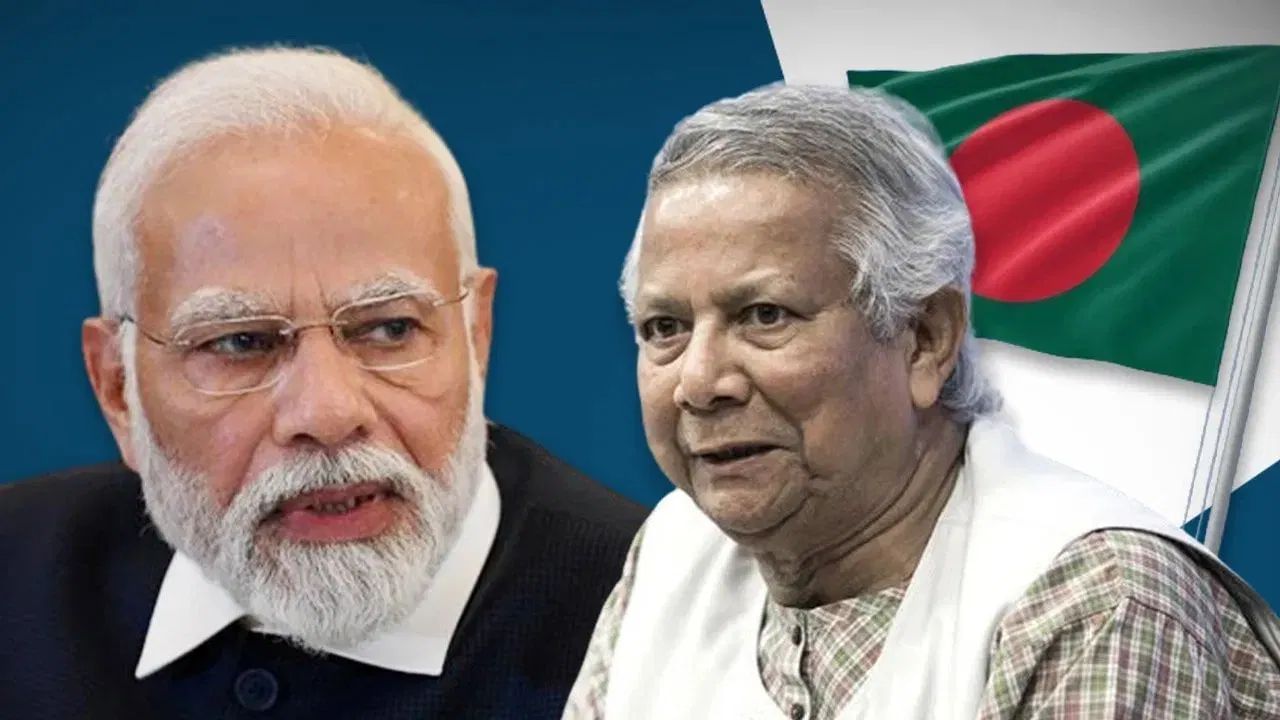
The relationship between Bangladesh and India has become strained recently, following political developments. This has resulted in trade implications. India has again placed restrictions on the import of various jute products from Bangladesh through land routes. This is part of a series of measures affecting trade between the two countries.
The Directorate General of Foreign Trade (DGFT) has issued a notice stating that the import of certain jute products is only banned via land routes. These imports can still be facilitated through the Nhava Sheva port. The recent restrictions cover several jute-related items. Included are bleached and unbleached woven fabrics from jute or other bast fibers, twine, cordage, jute rope, and jute sacks and bags.
Prior to this, on June 27th, India had already restricted imports of some jute products and woven fabrics from Bangladesh via all land routes, while allowing imports through the Nhava Sheva port in Maharashtra. Similar restrictions were also announced in April and May. Furthermore, on May 17th, India imposed port restrictions on imports from Bangladesh, targeting goods such as readymade garments and processed food. Earlier, on April 9th, India rescinded the transshipment facility for Bangladeshi exports to several regions, except the Middle East, Europe, and Nepal and Bhutan. These actions are linked to statements made by the head of Bangladesh’s interim government, Muhammad Yunus, in China.
The relationship between India and Bangladesh is facing challenges, particularly due to concerns about the treatment of minorities, especially Hindus, in Bangladesh. India has expressed concerns regarding these issues. This situation has contributed to a deterioration in the relationship, with Bangladesh being a significant competitor to India in the textile industry. The trade volume between the two countries was $12.9 billion in 2023-24. In 2024-25, India’s exports were $11.46 billion, and imports are projected to be $2 billion.