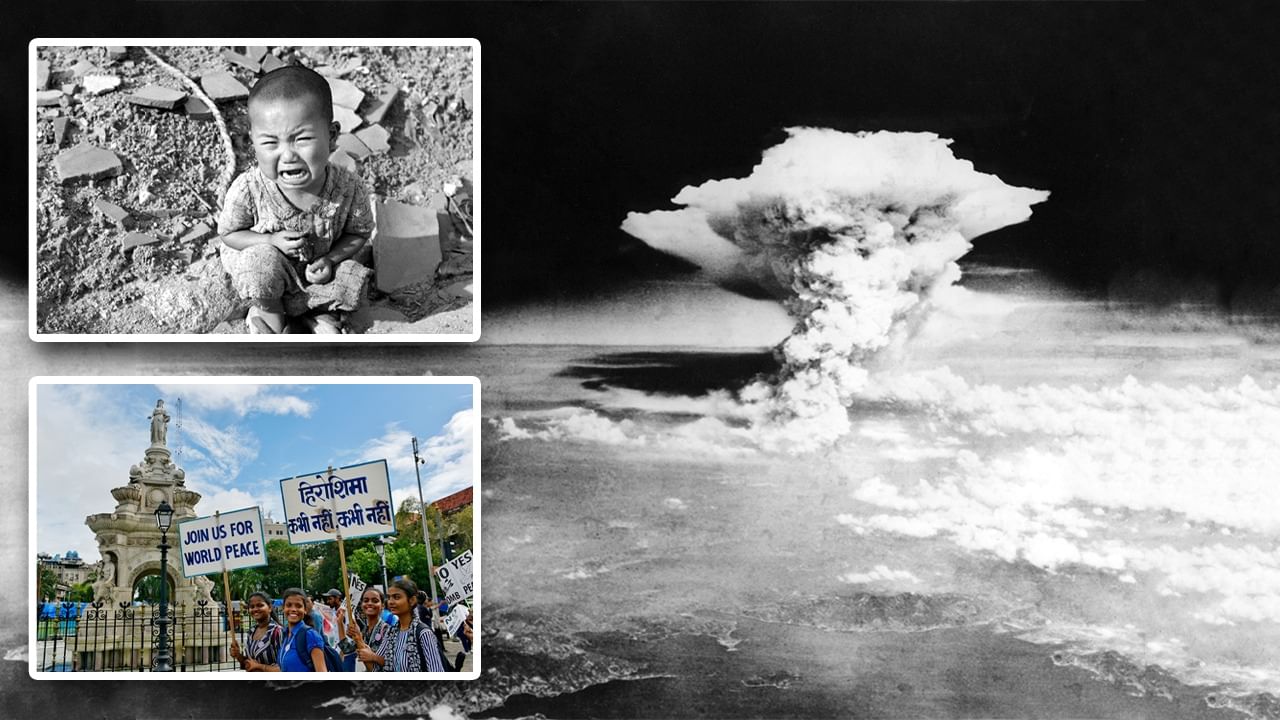
The anniversary of the Hiroshima bombing on August 6, 1945, serves as a grim reminder of the catastrophic potential of nuclear weapons. That morning, an atomic bomb obliterated the Japanese city, initiating a new era of warfare defined by unprecedented destruction. The attack’s impact extended far beyond the immediate casualties, with radiation poisoning claiming countless lives in the years following the blast. Today, as global tensions rise and nuclear arsenals expand, the world faces an even greater threat. The question is not if, but when, another nuclear attack might occur. Experts predict that the consequences of a modern nuclear strike would dwarf the horrors of Hiroshima. With advanced weaponry capable of unleashing far greater destructive power, the scale of potential devastation is difficult to fathom. The chilling reality is that the world could be pushed back to the equivalent of an ice age, the long-term impacts could be devastating.
The Devastating Consequences of a Modern Nuclear Attack: Lessons from Hiroshima
 By The Chhattisgarh1 Min Read