

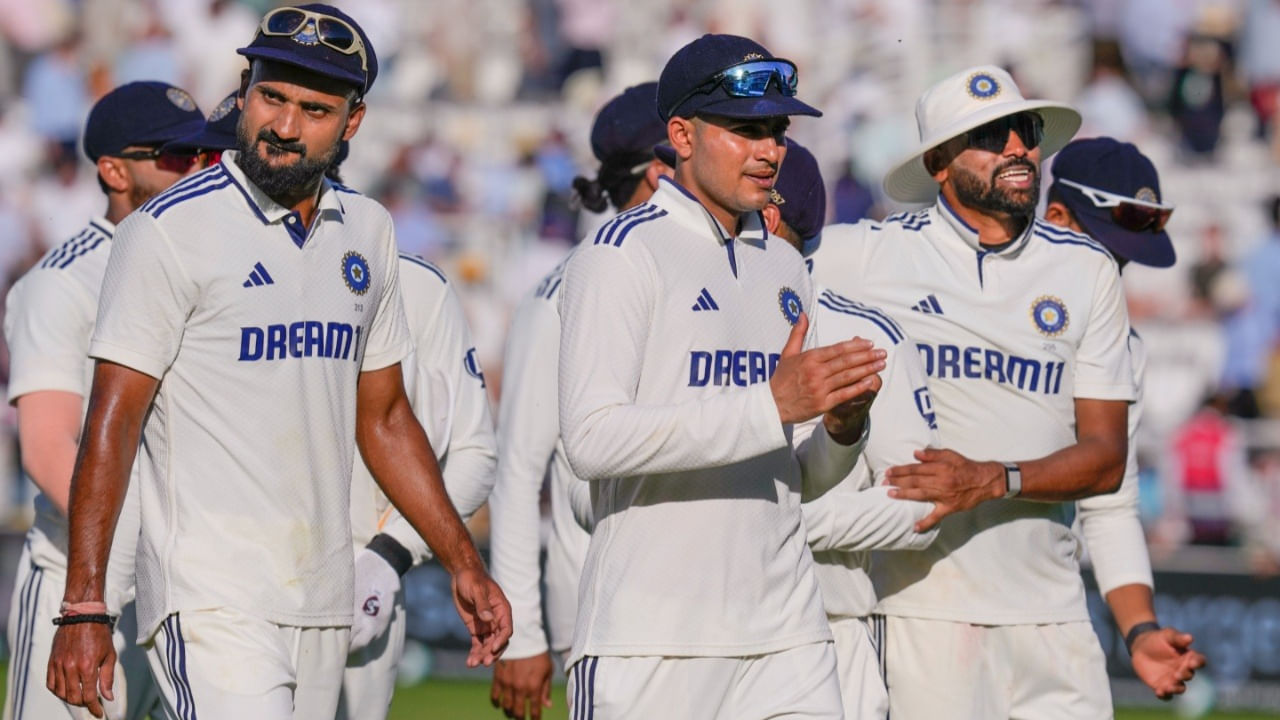
The Indian cricket team, under Shubman Gill’s leadership, delivered a memorable performance in England, culminating in a thrilling win at the Oval. In the final Test of a five-match series, India overcame adversity to secure a hard-fought victory, defeating England by a narrow margin of 6 runs. This win is not just a triumph for the team but also serves as a significant message, particularly for players who may prioritize individual recognition over team goals.
The Test series, reminiscent of classic encounters like those between Tendulkar and Anderson, will be remembered as one of the most exciting in cricket history. The series showcased how a team can turn the tide and snatch victory from the jaws of defeat, a feat achieved by both India and England at different points. It reinforced the enduring appeal of Test cricket.
This series will be remembered for the players’ commitment to their country. Examples of this commitment include Rishabh Pant’s courageous batting despite a leg injury and Chris Woakes’ determination to play for his country despite a shoulder injury. Mohammad Siraj’s unwavering spirit throughout the series was also noteworthy. Siraj emerged as the highest wicket-taker in the series, claiming an impressive 23 wickets.
Siraj’s Tenacity: A Salute
Only two fast bowlers, Siraj and England’s Chris Woakes, played all five matches of the series. Siraj displayed incredible resilience, bowling over 1100 balls. His performance showed that he approached the series without regard for workload management. Despite the physical demands of a five-match Test series, Siraj’s energy never flagged. He delivered a fiery spell in the Oval Test, including a ball clocked at 146 kmph.
Siraj, who almost became a villain after dropping a catch, transformed into a hero on the final day by taking three crucial wickets. The intensity in his bowling was palpable; every delivery seemed destined to take a wicket, eliciting gasps of excitement from the crowd.
Leading the Pace Attack: Siraj’s Impact
Siraj’s impact is amplified when he spearheads India’s pace attack. In 25 Test matches played alongside Jasprit Bumrah, Siraj has taken 64 wickets. India has won 10 of these matches and lost 11, with 4 draws. In the 16 matches played without Bumrah, Siraj has taken 49 wickets, with India winning 12 and losing only 3, and 1 draw.
A Message to Star Players
Siraj’s dedication and performance serve as a powerful reminder to players who prioritize workload management. The series raised questions about whether a player’s individual needs should outweigh the team’s needs, especially in critical situations. It questioned whether Siraj’s contribution, given his experience and form, should have been limited by concerns over workload.
Imagine if Siraj had been rested for the final match due to workload concerns. This is the same Siraj who played a Test series abroad even after the death of his father, a testament to his commitment. Then-captain Virat Kohli supported Siraj, and Siraj himself has spoken about this support many times.
Through their victory and Siraj’s performance, Team India has shown that no player is greater than the team. While players are celebrated for their contributions, those who prioritize their own needs over the team’s may find themselves remembered more in defeat than in victory. This win sends a strong message to any player who considers themselves above the team.