

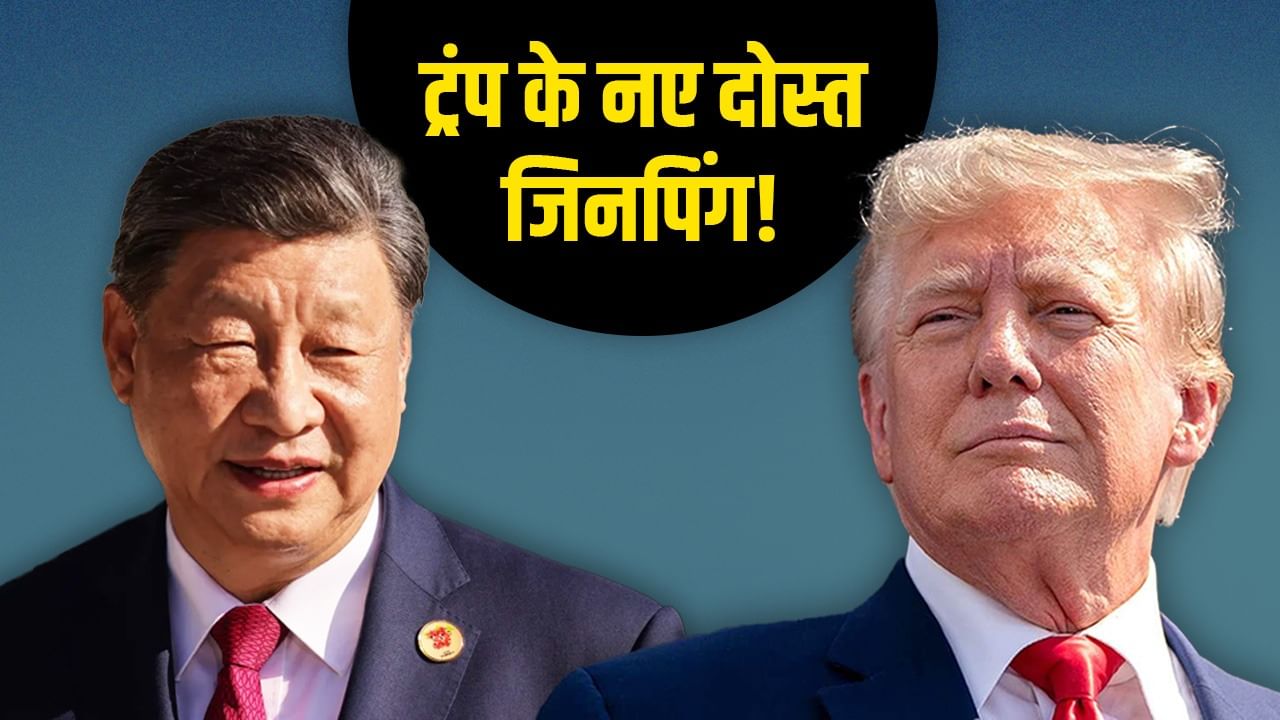
Amidst a perceived breakdown in his relationship with Vladimir Putin, former President Trump appears to be re-evaluating his foreign policy strategy, potentially fostering closer ties with China’s Xi Jinping. This shift is particularly evident in the context of artificial intelligence (AI). The US is seemingly aiding China’s AI development, specifically in the realm of semiconductor chips. NVIDIA, after a surge in demand from China, has ordered 300,000 advanced computer chips from Taiwan Semiconductor Manufacturing Company (TMSC). This H20 chipset deal, representing a cutting-edge technological advancement, was authorized soon after Trump imposed restrictions on NVIDIA, preventing them from engaging in transactions with China due to security considerations. The rapid reversal of this ban, occurring within a mere three months, has prompted speculation about Trump’s evolving approach to China.
The United States and China are engaged in a competitive AI landscape. Following the launch of the DeepSeek AI model, which was built with limited resources but rivals ChatGPT, a ‘cold war’ emerged. In response, Trump imposed restrictions on US tech suppliers like NVIDIA, preventing them from exporting chips to China. This mirrored the policy adopted by the Biden administration in 2022, aimed at boosting domestic semiconductor manufacturing. However, the White House swiftly lifted the ban within three months. Newsweek reported that NVIDIA is now fully authorized to sell its products in China. Jensen Huang, NVIDIA’s CEO, stated on July 14th that the US government had approved the restoration of licenses for selling H20 chips in China. This policy shift has since driven an increased demand for NVIDIA chips in China, leading the US company to contract with Taiwan’s TSMC for the supply of 300,000 H20 chips.
The central question is, why has Trump seemingly softened his stance on China so quickly? The shift in policy is attributed to the strained relationship between Trump and Putin, particularly regarding the Ukraine conflict. Trump’s response to a Russian official’s statement included the deployment of nuclear submarines, highlighting the strained nature of the relations. It is speculated that Trump is now seeking a stronger alliance with China. Furthermore, reports suggest Trump might be visiting Beijing later this year.
Regarding AI, the United States currently holds a significant advantage over China. Stanford University’s ranking places the US in the first position and China in the second. Experts are expressing concern that the US’s assistance might inadvertently propel China to the forefront. The Chinese embassy has consistently advocated for human-centric principles in AI development, as stated by its spokesperson.