

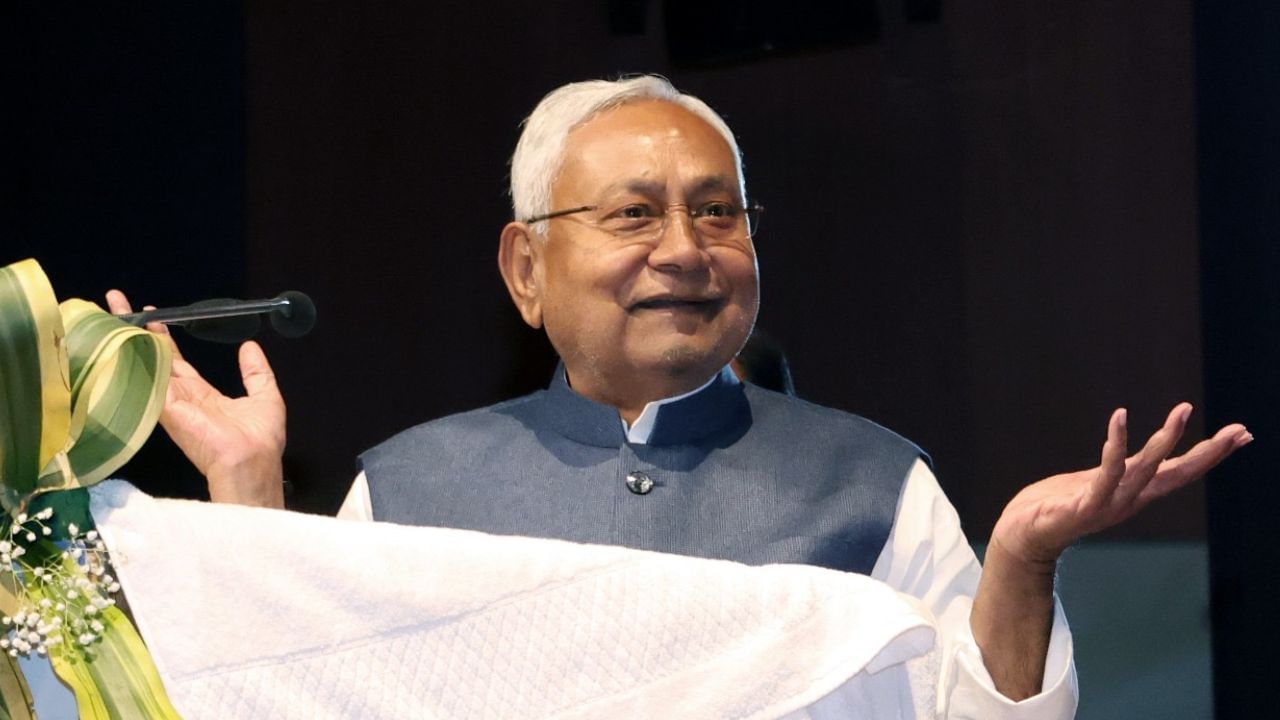
The Chief Minister, Nitish Kumar, oversaw the development initiatives in the Barabar region of Jehanabad district. He issued directives to the authorities after inspecting the site. The visit included an interaction with pilgrims at the Vawanwar Shravani Mela. The Baba Siddheshwarnath Mahadev Temple on Vawanwar Hill sees a significant influx of devotees during the Shravan month.
Kumar gathered detailed information about the Shravani Mela’s organization. He instructed the District Magistrate to ensure that devotees received all necessary amenities and experienced no difficulties in offering prayers. Local residents greeted the Chief Minister, who then addressed their concerns and directed the District Magistrate to address them.
The Barabar Caves, found in Jehanabad, represent a significant element of India’s ancient cultural legacy. These caves are among the earliest examples of rock-cut architecture in the Indian subcontinent. Constructed during the reign of Mauryan emperors Ashoka and Dasharatha in the 3rd century BCE, these caves were primarily built for the monks of the Ajivika sect, a prominent religious group at the time.
The Barabar Hills are home to four major caves: Karna Chaupar, Lomas Rishi, Sudama, and Vishwajyoti. The Sudama and Lomas Rishi caves are especially notable architecturally. The entrance of Lomas Rishi Cave is designed in the stupa and chaitya styles, which influenced subsequent Buddhist architecture. One of the most striking features of these caves is their exceptionally smooth, polished interiors, a prime illustration of Mauryan stone-polishing techniques. This technique results in walls that reflect light like mirrors and enhance acoustics, thereby making the caves ideal for meditation.
These caves not only highlight India’s ancient cultural heritage but also showcase the skills of the Mauryan period architects. The site remains a key destination for individuals interested in history, art, religion, and architecture.