

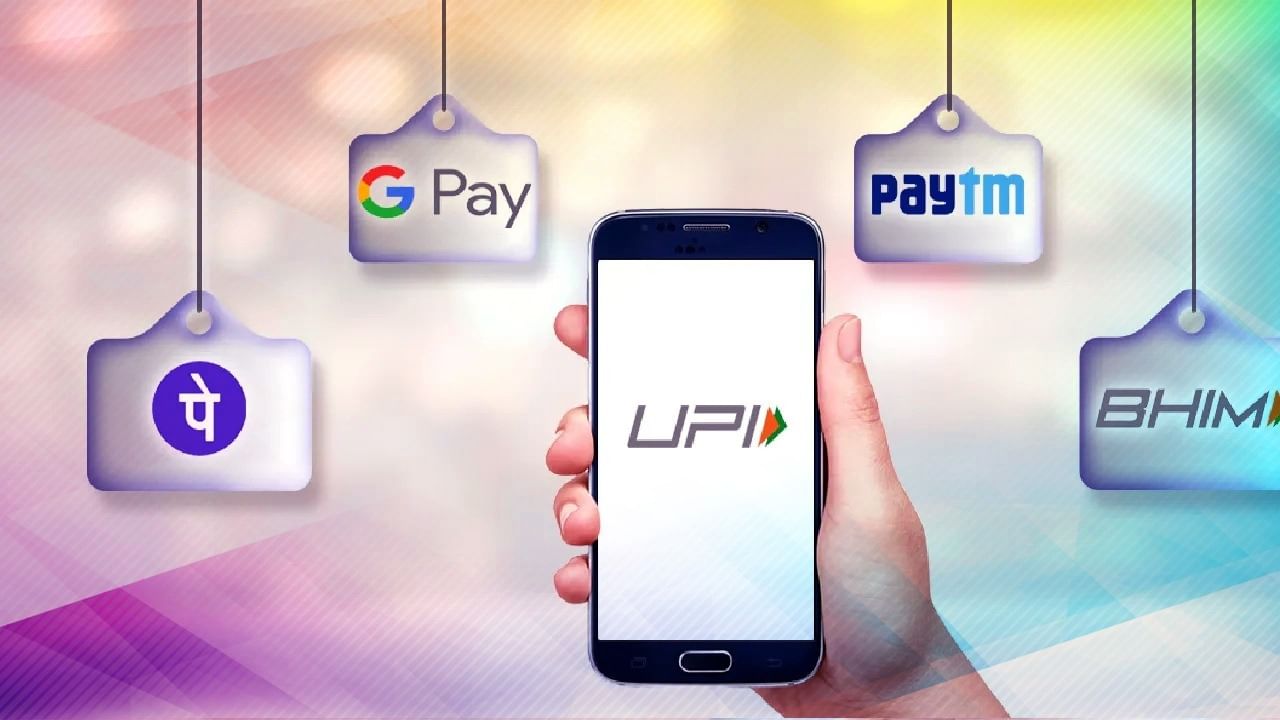
UPI has emerged as the leading digital payment platform in India. Launched in 2016, UPI has transformed the way transactions are conducted. The platform enables users to make quick payments via mobile, gaining widespread adoption. This overview traces the key updates that have shaped UPI and its impact on simplifying daily transactions.
UPI was introduced in India by NPCI in 2016. Its core objective was to establish a unified system that connects various banks, facilitating transactions without requiring IFSC codes or account details, using only mobile numbers and UPI IDs.
The years 2017-18 saw the introduction of the BHIM app and QR codes. The BHIM app directly enabled consumers to use UPI, while merchants began using QR codes for quick payments via mobile number or scan.
In 2019, UPI AutoPay was launched to automate recurring payments such as subscriptions, EMIs, and insurance premiums. Users could authorize monthly payments, removing the need for repetitive OTP entries and improving access to digital services.
The COVID-19 pandemic in 2020 accelerated the adoption of cashless payments, with UPI becoming standard for various transactions, from groceries to medicine. UPI transactions crossed 2 billion for the first time in 2020.
In 2021, UPI 123PAY enabled UPI payments even without internet access. UPI linking with countries like Bhutan, Nepal, and Singapore expanded its global reach. This provided accessibility for the elderly and those in rural areas.
In 2022, the RBI allowed UPI payments through RuPay credit cards, broadening the payment options beyond bank accounts. This facilitated larger transactions through the integration of cards and UPI.
In 2023, UPI incorporated AI-based fraud detection, improving security and control over fraudulent transactions. This provided users with greater protection against scams.
The year 2024 saw the launch of UPI Lite, facilitating small PIN-less payments up to ₹500, along with Tap & Pay features using NFC technology, eliminating the need for QR code scans.
Looking ahead to 2025, biometric verification is in the works. Users can pay via face ID or iris scan, replacing the need for a PIN. NPCI is actively testing and will roll out this feature across select banks and apps soon.