

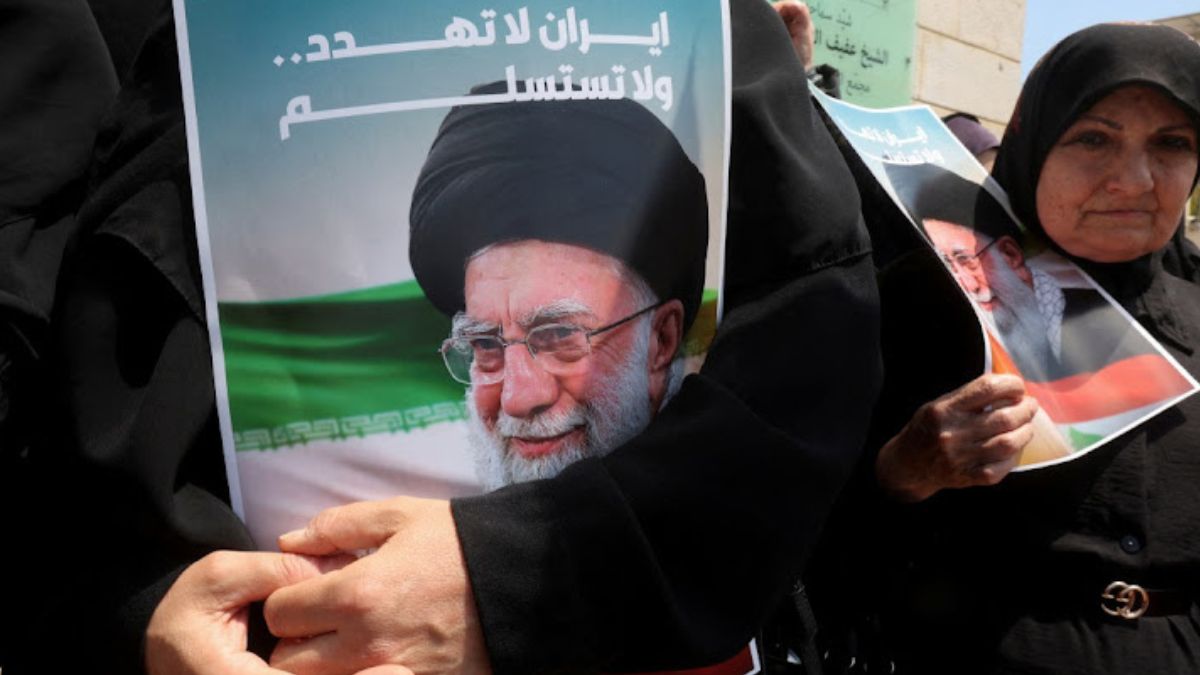
The temporary end to the Israel-Iran conflict has brought a moment of relative calm, yet a cloud of uncertainty hangs over Iran. The central figure in this uncertainty is Supreme Leader Ayatollah Ali Khamenei, whose extended absence from public view has sparked alarm. Reports indicate he has not been seen or heard from since the conflict began, despite the critical situation his nation has faced.
Mehdi Fazaeli, a key figure in Khamenei’s office, attempted to reassure the public, stating that the leader’s protectors were fulfilling their duties. However, this response, coupled with official claims that Khamenei is in a bunker to avoid assassination, has done little to soothe the anxieties of the Iranian populace.
The absence of the Supreme Leader raises questions about his involvement in recent key decisions, including the cease-fire. It has also brought to the forefront internal power struggles within the Iranian government. Different factions appear to be vying for influence, each with their own vision for Iran’s future, including its nuclear program, relationship with the United States, and the ongoing conflict with Israel. Some believe that Khamenei is involved in key decisions remotely. The situation remains tense, and the longer Khamenei remains unseen, the greater the uncertainty will grow.