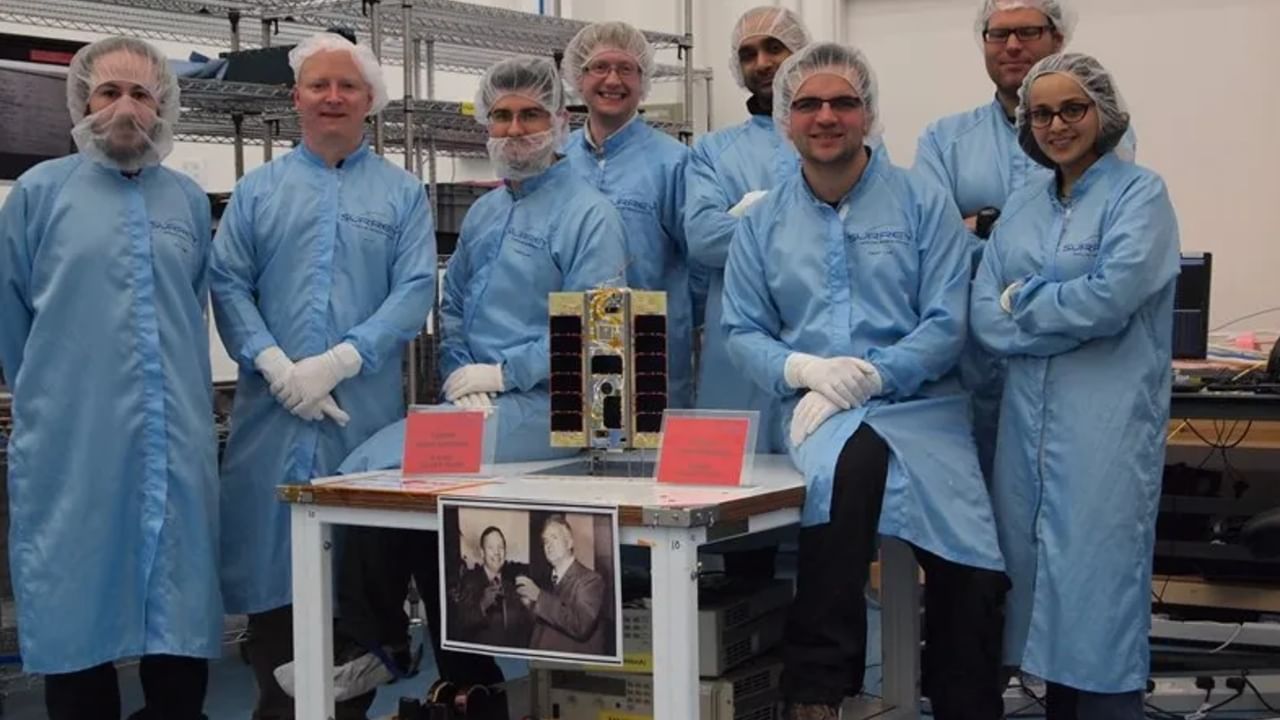
While space missions often involve astronauts and complex spacecraft, a unique experiment saw a smartphone take flight. The Google Nexus One, a standard mobile device, was sent to space in a groundbreaking initiative. The University of Surrey (UK) spearheaded this experiment in 2013, to determine if a common smartphone could operate a satellite. The researchers incorporated the Nexus One into the Strand-1 satellite. The Strand-1 satellite, just 30 centimeters long, was launched to an altitude of about 784 kilometers. The satellite’s only core component was the Nexus One smartphone, connected through a USB cable. The phone contained a special software and an application designed to assess whether the sound of a scream would be audible in space. The Nexus One, originally a consumer phone, had several remarkable features for its era, including a 3.7-inch display, 512MB of RAM, a 1400mAh battery, a 5-megapixel rear camera, and Android 2.1 OS. In 2012, this phone was priced around ₹10,000. The phone was launched within the satellite without any modifications, similar to the experience of taking a ride on a rocket. The current location of Google’s space-bound phone remains a mystery. It may still be in orbit, or it could have transformed into space debris, but it has undoubtedly made a huge contribution to the world of technology and research.